Winter is a challenging time for gardeners. Short days, freezing temperatures, frost, and dormant plants all present obstacles that can harm your garden if you’re not careful. Many gardeners make winter gardening mistakes without realizing it, which can lead to damaged plants, soil depletion, and reduced yields come spring. Even experienced gardeners can fall into common traps, from overwatering to neglecting frost protection.
Avoiding these mistakes is key to maintaining a healthy garden throughout the cold months. By identifying the most common winter gardening mistakes, you can plan your garden care strategically and prevent costly errors. In this post, we’ll cover the most critical mistakes gardeners make in winter, along with actionable tips to protect your plants, soil, and garden structures. Following these guidelines ensures your garden not only survives the winter but emerges stronger and more productive in the spring.
Whether you grow vegetables, flowers, or ornamental plants, avoiding these winter gardening mistakes will make your gardening experience more enjoyable, efficient, and successful.
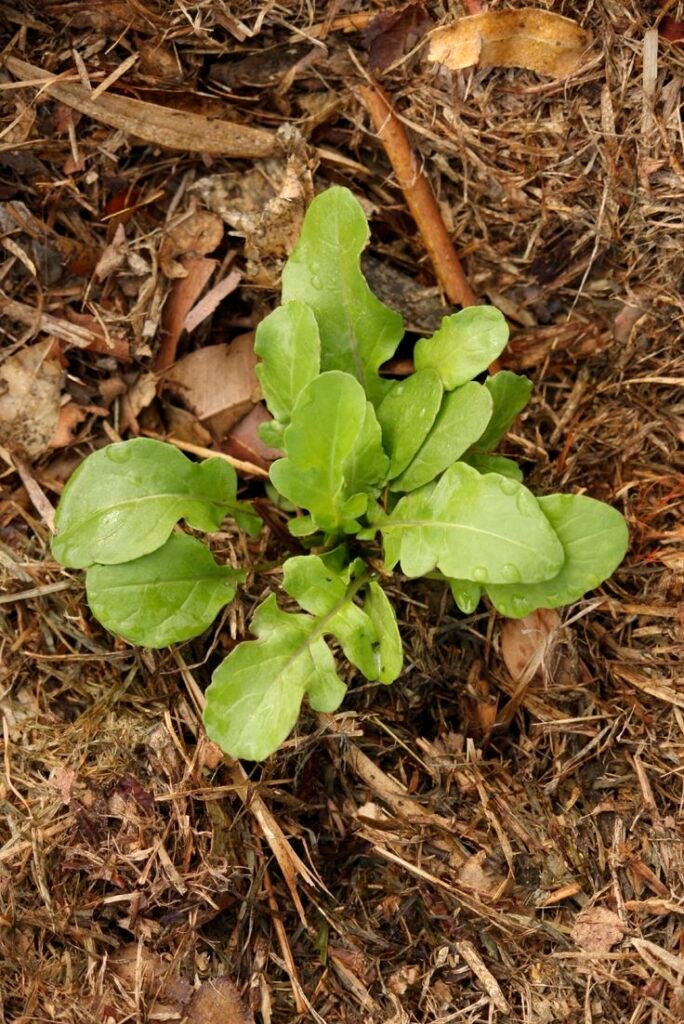
1. Ignoring Frost Protection: One of the Most Common Winter Gardening Mistakes
Frost can devastate tender plants, young seedlings, and even perennials. Ignoring frost protection is one of the most frequent winter gardening mistakes, often caused by underestimating the cold’s impact.
How to Avoid Frost Damage:
- Frost cloths and row covers: Lightweight fabrics protect plants while allowing sunlight and airflow.
- Mulch around roots: Straw, shredded leaves, or bark maintain soil warmth.
- Move potted plants indoors: Container plants are particularly vulnerable to freezing temperatures.
Example: A neighbor’s young tomato plants died overnight when a sudden frost hit because they weren’t covered. Protecting plants from frost is essential to avoid common winter gardening mistakes.
2. Overwatering or Underwatering: A Critical Winter Gardening Mistake
Watering in winter requires balance. Overwatering or neglecting watering is a common winter gardening mistake. Cold soil retains moisture, and overwatering can lead to root rot. Conversely, under-watering stresses plants and reduces their winter hardiness.
Tips for Proper Watering:
- Check soil moisture: Water only when the top 1–2 inches of soil are dry.
- Water in the morning: Allows water to absorb before freezing temperatures at night.
- Focus on roots, not leaves: Wet leaves in freezing weather can damage plants.
Example: Kale and spinach can survive frost but may wilt if roots dry out. Proper winter watering prevents this frequent winter gardening mistake.
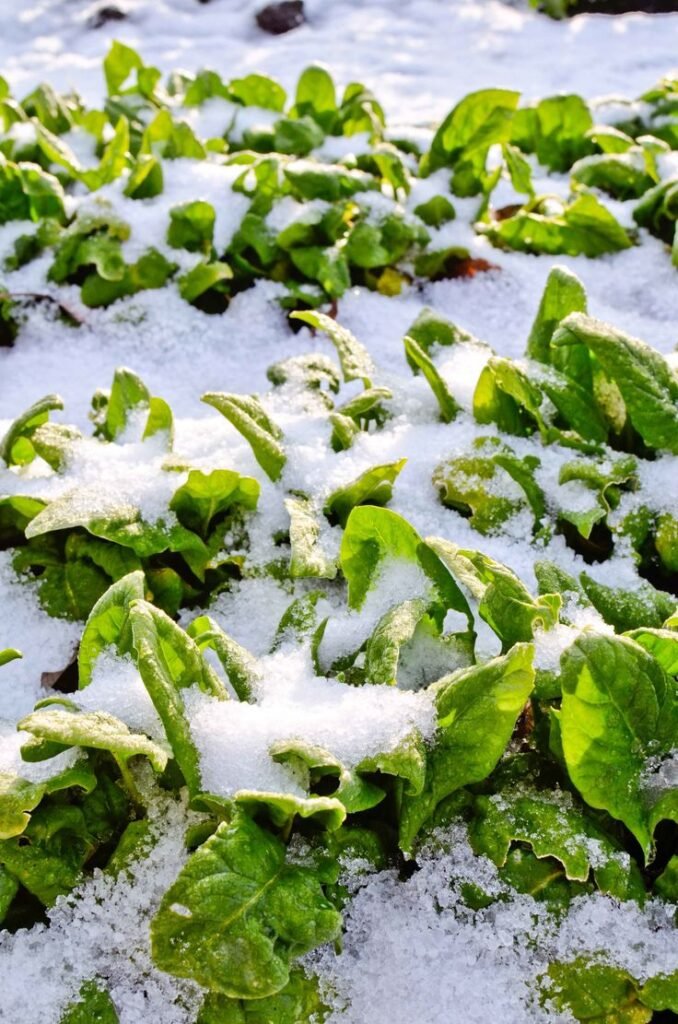
3. Planting at the Wrong Time: Timing Errors Are a Common Winter Gardening Mistake
Planting tender or frost-sensitive crops too early is one of the most damaging winter gardening mistakes. Even cold-hardy vegetables can fail if planted at the wrong time.
Correct Timing Tips:
- Know your hardiness zone: Follow local planting calendars.
- Plant winter-hardy crops: Spinach, kale, broccoli, and garlic thrive in cold conditions.
- Start seedlings indoors: Protect them from frost before transplanting in early spring.
Pro tip: Stagger planting for a continuous harvest and avoid timing mistakes that lead to winter crop failure.
4. Improper Pruning: A Winter Gardening Mistake That Can Harm Plants
Pruning in winter can be beneficial, but doing it incorrectly is a frequent winter gardening mistake. Heavy pruning on tender plants or evergreens can cause stress and make them susceptible to disease.
Correct Pruning Practices:
- Prune dormant trees and shrubs: Remove dead or damaged branches to encourage spring growth.
- Use clean, sharp tools: Prevents disease spread.
- Avoid excessive pruning: Evergreens require light pruning to avoid stress.
Tip: Always prune on dry days to minimize infection risk—a small step that prevents a major winter gardening mistake.
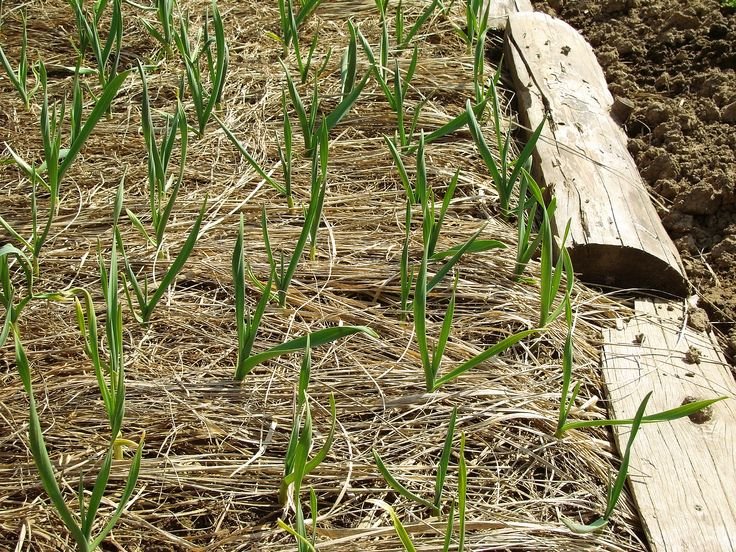
5. Neglecting Soil Health: A Winter Gardening Mistake That Affects Spring Growth
Neglecting soil is a frequent winter gardening mistake. Winter weather can compact soil, erode nutrients, and reduce fertility.
How to Protect Soil:
- Mulch bare soil: Conserves moisture and prevents erosion.
- Plant cover crops: Clover, rye, and vetch enrich soil and prevent nutrient loss.
- Test and amend soil pH: Ensure proper nutrients for spring planting.
Example: Leaving bare garden beds over winter led to nutrient-depleted soil in spring, a mistake easily avoided with cover crops and mulch.
6. Not Planning for Snow and Ice: A Winter Gardening Mistake
Snow and ice can damage plants and structures. Ignoring their effects is a common winter gardening mistake. Heavy snow can break branches, crush plants, and disrupt soil.
Snow and Ice Protection Tips:
- Support plants: Stakes or cages protect vulnerable shrubs.
- Remove snow gently: Prevents breakage of delicate branches.
- Avoid salt near plants: Salt harms roots; use sand or kitty litter instead.
Pro tip: Snow acts as an insulator when light, but heavy layers can harm plants—know when to remove it to avoid this winter gardening mistake.
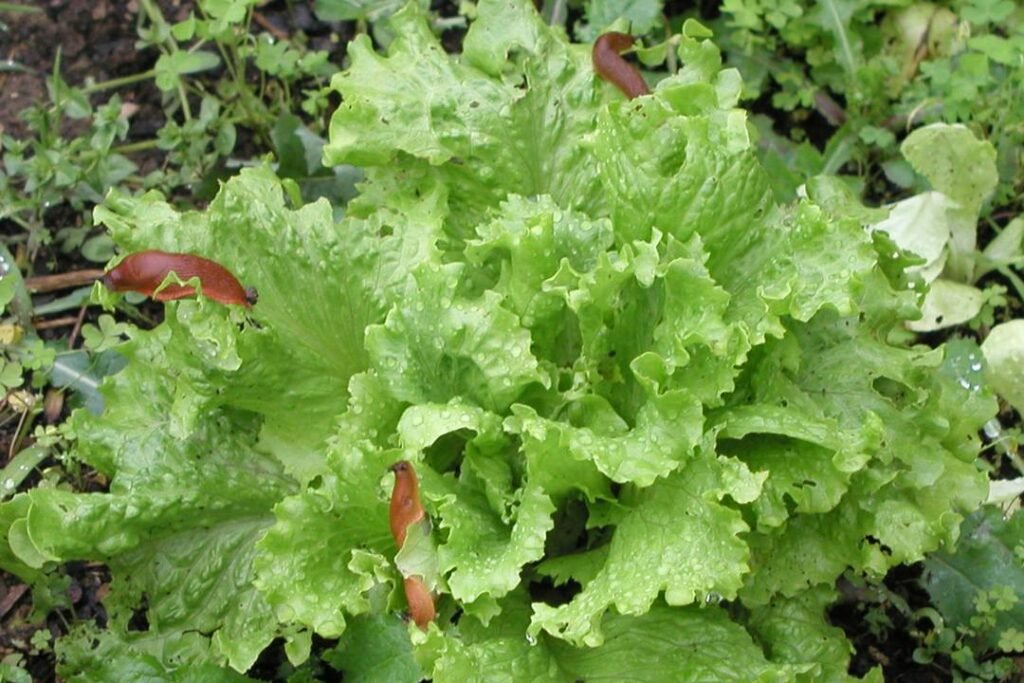
7. Ignoring Winter Pests and Diseases: A Hidden Winter Gardening Mistake
Some pests and fungi remain active in winter. Ignoring them is a subtle but harmful winter gardening mistake.
Prevention Tips:
- Inspect plants regularly: Check leaves, stems, and roots.
- Remove debris: Fallen leaves and dead plants harbor pests.
- Use natural remedies: Neem oil, horticultural oil, or insecticidal soap.
Healthy plants are less vulnerable to pests—preventing this common winter gardening mistake ensures spring success.

8. Overcrowding Plants: A Winter Gardening Mistake That Reduces Airflow
Even in winter, overcrowding plants leads to poor airflow and disease. Overcrowding is a frequent winter gardening mistake that weakens plants.
How to Avoid Overcrowding:
- Space plants properly: Follow recommended spacing guidelines.
- Thin seedlings: Reduce competition for light and nutrients.
- Prune dense foliage: Encourages airflow and prevents fungal growth.
Proper spacing prevents one of the most overlooked winter gardening mistakes.
9. Neglecting Indoor Plants: A Winter Gardening Mistake
Indoor plants are often forgotten in winter, making neglect a common winter gardening mistake. Low light, dry air, and inconsistent watering harm indoor greenery.
Indoor Plant Care Tips:
- Move tropical plants indoors: Avoid frost damage.
- Use grow lights: Compensate for short winter days.
- Maintain humidity: Use humidifiers or pebble trays.
Avoiding neglect ensures your indoor garden thrives and prevents this winter gardening mistake.
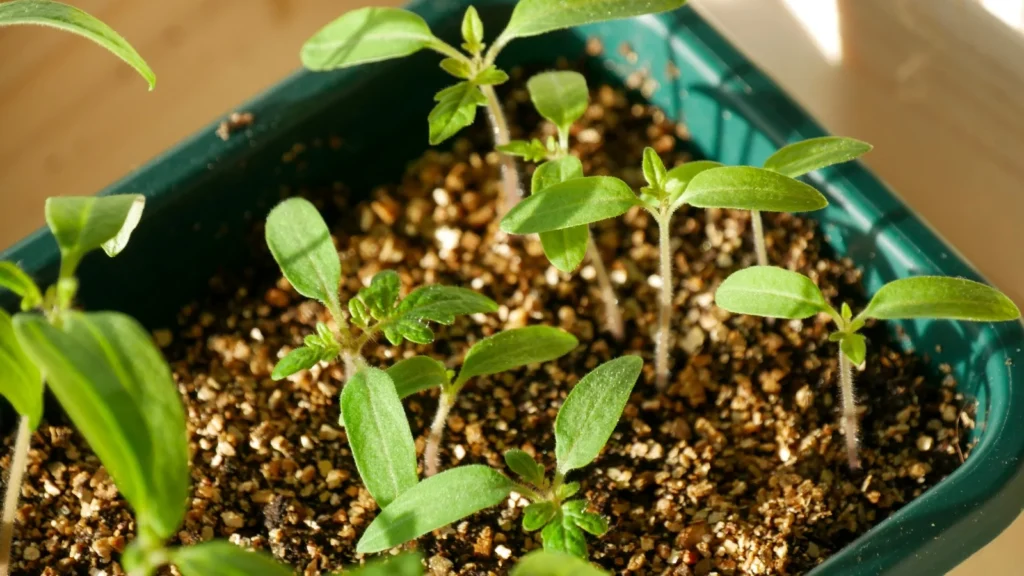
10. Failing to Plan for Spring: A Strategic Winter Gardening Mistake
Winter is perfect for planning. Failing to plan is a strategic winter gardening mistake that limits spring productivity.
Planning Tips:
- Design spring layouts: Decide vegetable, flower, and herb placement.
- Order seeds early: Popular seeds sell quickly.
- Evaluate last year’s garden: Learn from successes and failures.
Planning prevents one of the most preventable winter gardening mistakes.
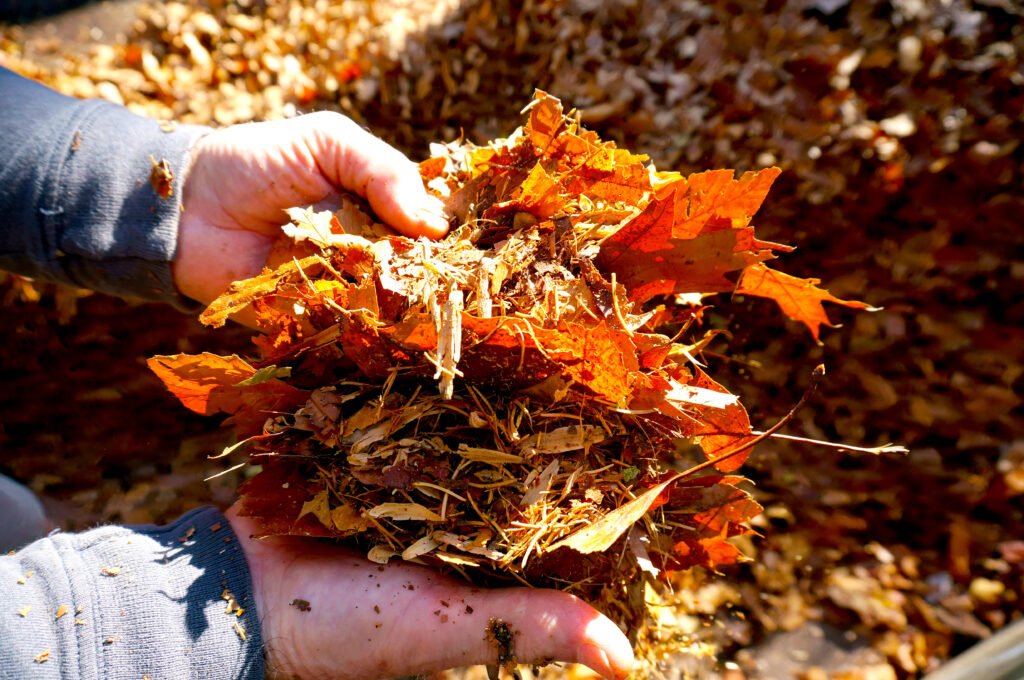
11. Using Incorrect Mulch: A Winter Gardening Mistake That Harms Roots
Choosing the wrong mulch or applying it improperly is a frequent winter gardening mistake.
Mulch Tips:
- Use organic mulch: Straw, bark, or leaves insulate soil.
- Apply 2–4 inches around plants: Keep mulch away from stems to avoid rot.
- Avoid excessive mulch: Over-mulching can suffocate roots.
Proper mulching prevents frost damage and root stress, avoiding this winter gardening mistake.
12. Forgetting to Clean Tools: A Winter Gardening Mistake
Dirty tools spread disease, a common winter gardening mistake many overlook.
Tool Care Tips:
- Clean and disinfect tools: Prevent disease transfer.
- Sharpen blades: Ensures efficient pruning and cutting.
- Store properly: Keep tools dry and sheltered to prevent rust.
Tool maintenance avoids hidden winter gardening mistakes that affect plant health.
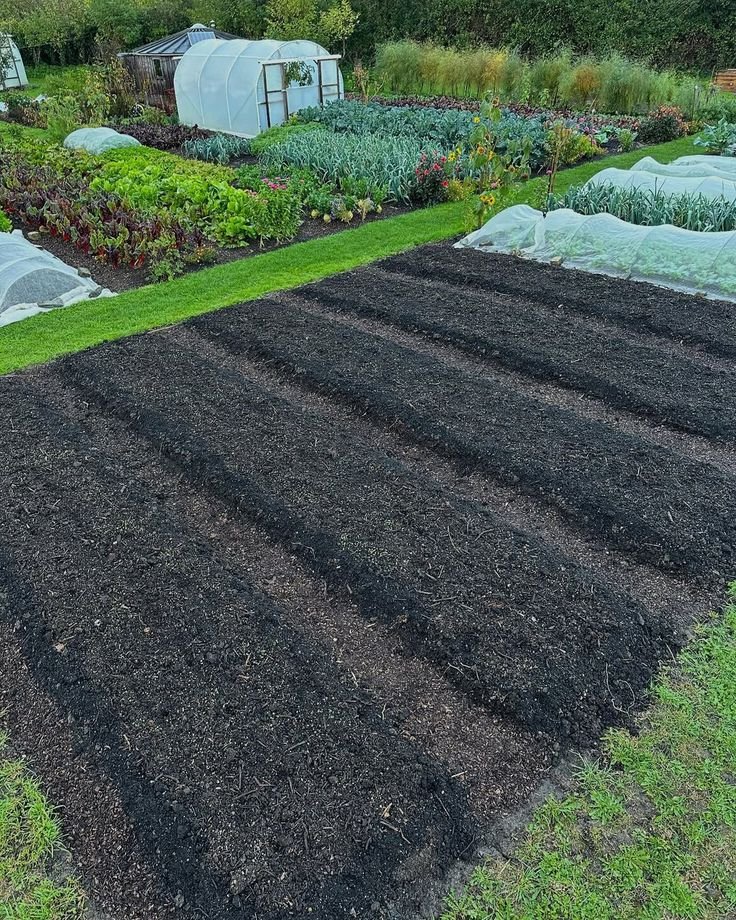
13. Failing to Rotate Crops: A Winter Gardening Mistake for Vegetable Gardens
Crop rotation is often ignored in winter, but failing to rotate is a costly winter gardening mistake. Planting the same crops repeatedly can deplete soil and increase pests.
Crop Rotation Tips:
- Alternate plant families: Avoid planting the same family in the same bed consecutively.
- Use legumes: Fix nitrogen in the soil for future crops.
- Plan beds ahead: Winter is perfect for designing spring rotations.
Proper rotation prevents nutrient depletion—a major winter gardening mistake.
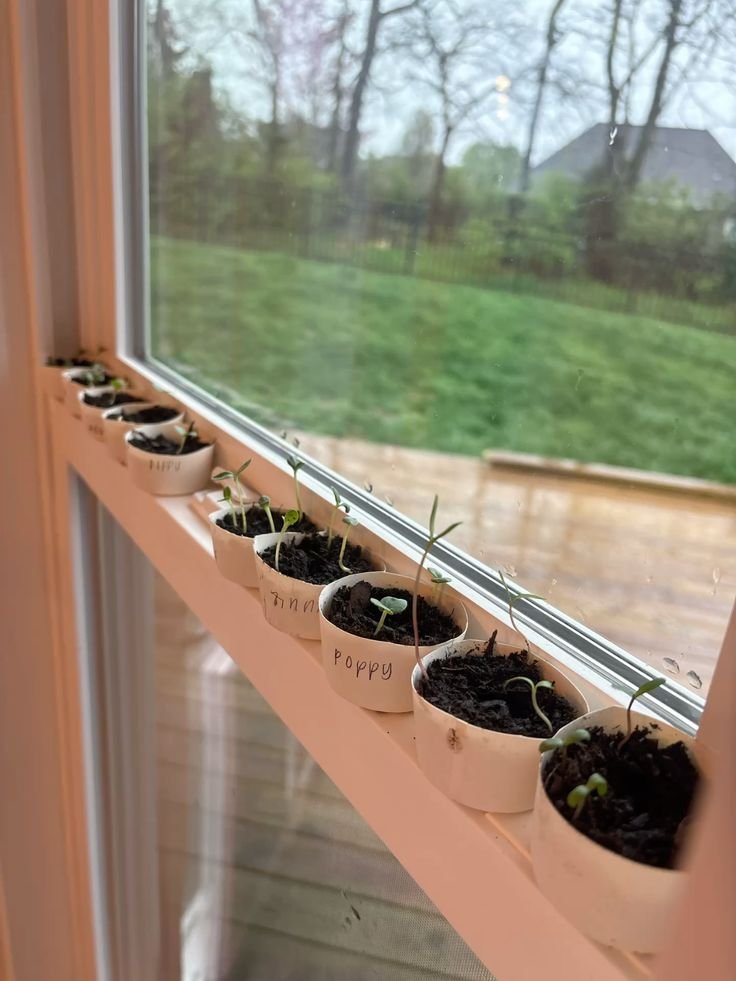
14. Neglecting Garden Planning for Indoor Lighting: A Winter Gardening Mistake
Indoor gardening is crucial during winter. Ignoring lighting needs is a subtle but common winter gardening mistake.
Indoor Lighting Tips:
- Position plants near south-facing windows: Maximize natural sunlight.
- Supplement with grow lights: Ensure 12–16 hours of light per day.
- Rotate plants weekly: Prevent uneven growth.
Correct lighting avoids common winter gardening mistakes that stunt indoor plant growth.
15. Forgetting to Harvest: A Winter Gardening Mistake
Some vegetables and fruits continue growing in winter. Forgetting to harvest is a simple but common winter gardening mistake.
Harvest Tips:
- Check leafy greens: Spinach, kale, and lettuce continue producing in cold weather.
- Pick regularly: Prevent bolting and improve yield.
- Use storage solutions: Root vegetables like carrots and beets can be stored in sand or cold frames.
Timely harvesting prevents crop loss and reduces one of the overlooked winter gardening mistakes.
Winter gardening is full of challenges, but avoiding winter gardening mistakes ensures your plants, soil, and indoor gardens thrive. From frost protection and watering to pruning, soil care, pest control, and planning for spring, each step is essential for a successful winter garden.
Winter offers the chance to prepare for spring, care for indoor plants, and maintain soil health. By paying attention to these winter gardening mistakes, your garden will be healthier, more productive, and ready to flourish once the warm months arrive.


