Have you ever wondered if you could grow fresh vegetables without a backyard garden? Are you looking for a way to enjoy homegrown produce even in a small space? The good news is, you absolutely can! With container gardening, you can cultivate a variety of vegetables on a patio, balcony, or even a windowsill. This method of gardening is ideal for urban dwellers, renters, or anyone who wants to maximize limited space. Container gardening is incredibly versatile, allowing you to grow vegetables regardless of your location. By selecting the right plants and providing proper care, you can harvest fresh produce all year round. In this guide, we’ll discuss 20 of the best vegetables to grow in containers and share tips to help you succeed. Whether you’re an experienced gardener or a beginner, this list will inspire you to start your container garden today.
The beauty of container gardening lies in its convenience and simplicity. You have greater control over soil quality, watering, and sunlight exposure, which can lead to healthier plants and better yields. From leafy greens to root vegetables, this list includes options for every taste and space. Let’s dive into the best vegetables to grow in containers and learn how you can turn a small area into a thriving, productive garden.
Why Choose Container Gardening?
Container gardening offers several benefits, especially for those with limited outdoor space. It allows for flexibility in plant placement, so you can optimize sunlight exposure and protect plants from harsh weather. Additionally, container gardening minimizes the risk of soil-borne diseases and pests that often affect traditional garden beds.
Another advantage is mobility. You can move containers to different locations depending on the season or sunlight availability. For instance, placing pots near a sunny window during winter can extend your growing season. This adaptability makes container gardening perfect for urban environments where space is at a premium.
What to Consider When Growing Vegetables in Containers
Before diving into the list of the best vegetables to grow in containers, it’s essential to keep a few factors in mind:
- Container Size
- Different vegetables have varying root depths. Ensure the container is deep enough to accommodate the plant’s roots.
- Small plants like lettuce or radishes need shallow pots, while larger plants like tomatoes or zucchini require deeper containers.
- Drainage
- Always choose containers with drainage holes to prevent waterlogging and root rot.
- Soil Quality
- Use a high-quality potting mix that retains moisture but also allows for proper drainage. Avoid using garden soil, as it can be too heavy and may not drain well in containers.
- Sunlight
- Most vegetables need at least 6–8 hours of sunlight daily. Place your containers in a sunny spot or use grow lights if sunlight is limited.
- Watering
- Containers tend to dry out faster than garden beds. Regular watering is crucial, especially during hot weather.
Here are the best vegetables to grow in containers
1. Tomatoes
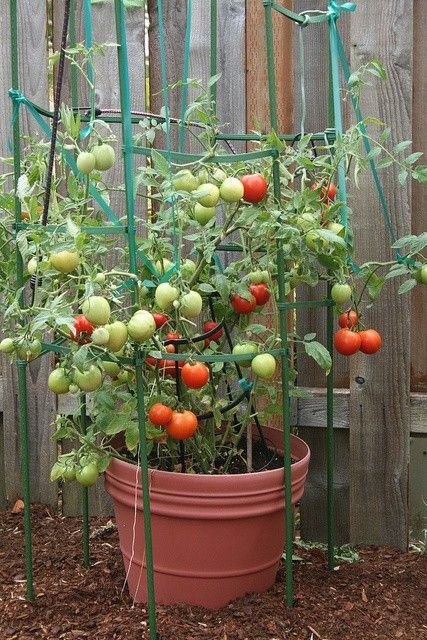
Tomatoes are one of the best vegetables to grow in containers, offering versatility and abundant harvests. With a deep pot of at least 18 inches and ample sunlight, they thrive in small spaces like patios or balconies. Choose determinate varieties like ‘Patio Princess’ or cherry tomatoes for easier management. Consistent watering, proper drainage, and a support system such as a cage or stake ensure healthy growth. Tomatoes flourish with regular fertilization and pruning, making them an ideal choice for anyone looking to enjoy fresh, homegrown produce from their container garden.
2. Lettuce
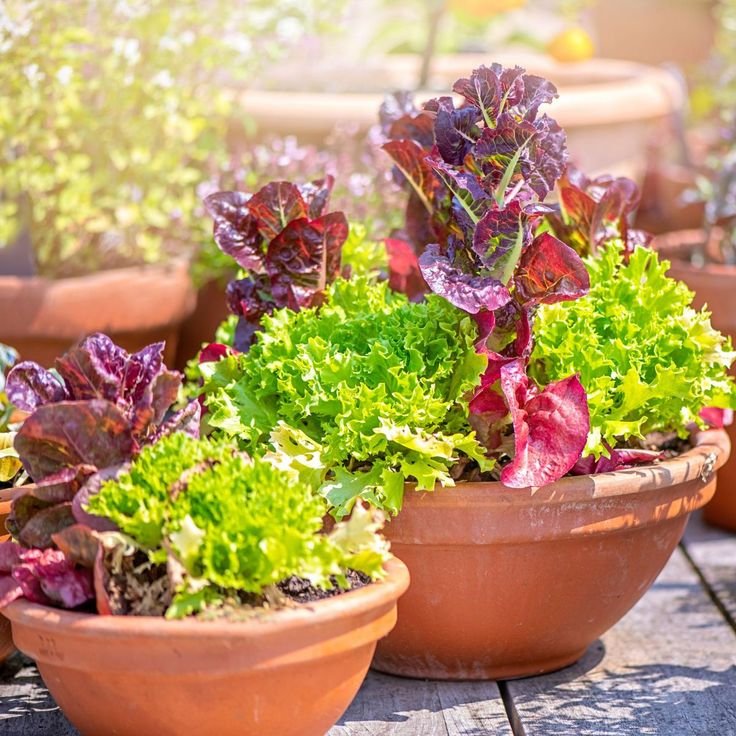
Lettuce is a fantastic choice among vegetables to grow in containers, perfect for small spaces and quick harvests. Its shallow roots make it suitable for pots as small as 6–8 inches deep. Loose-leaf varieties like ‘Black Seeded Simpson’ or mixed baby greens thrive with minimal effort. Place your containers in a partially shaded area, water consistently, and enjoy fresh, crisp leaves in just weeks. Harvest outer leaves regularly for a continuous supply, making lettuce an easy and rewarding addition to your container garden.
3. Peppers
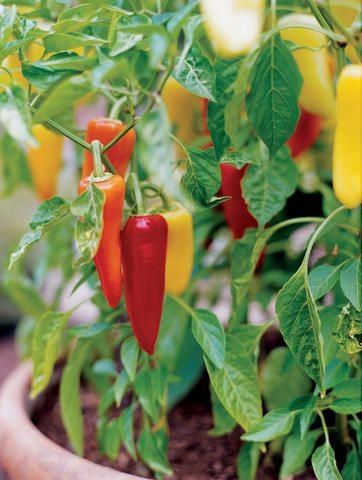
Peppers are among the most rewarding vegetables to grow in containers, offering vibrant colors, diverse flavors, and abundant yields. Whether you prefer sweet bell peppers or spicy varieties like jalapeños, they adapt well to container gardening with the right care. Use a pot at least 12 inches deep with good drainage, filled with nutrient-rich potting soil. Place the container in a sunny spot, as peppers require 6–8 hours of direct sunlight daily.
Water consistently to keep the soil moist but not soggy, and fertilize every two weeks with a balanced fertilizer to encourage flowering and fruit production. Supporting the plant with stakes or small cages can help as it grows heavier with fruit. With their compact size, peppers are an ideal choice for patios, balconies, or small gardens, making them one of the most versatile vegetables to grow in containers.
4. Radishes
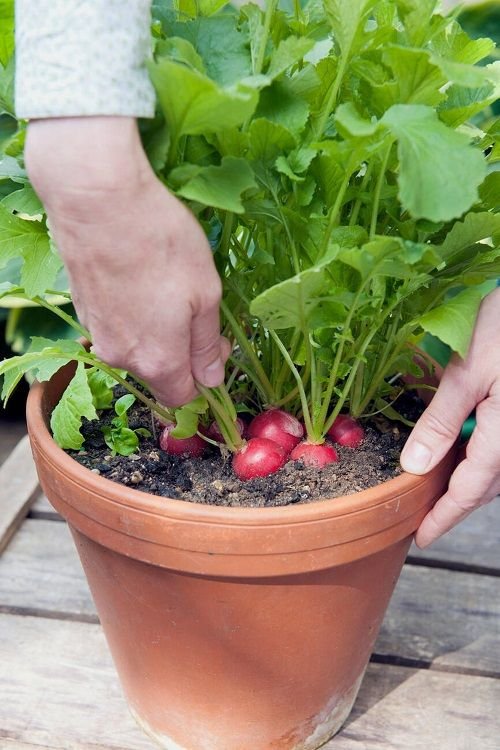
Radishes are one of the easiest and fastest-growing vegetables to grow in containers, making them a favorite for beginners and seasoned gardeners alike. They thrive in shallow pots that are 6–8 inches deep, filled with loose, well-draining soil. Compact and quick to mature, most radish varieties, such as ‘Cherry Belle’ or ‘French Breakfast,’ are ready to harvest in just 3–4 weeks.
Place your container in a sunny spot, as radishes need at least 6 hours of sunlight daily. Keep the soil consistently moist to ensure even growth and prevent the roots from becoming woody. For a continuous supply, sow seeds every two weeks throughout the growing season. In addition to their rapid growth, radishes also produce edible greens, making them a dual-purpose addition to your container garden. Their simplicity and productivity make radishes a rewarding choice among vegetables to grow in containers.
5. Arugula
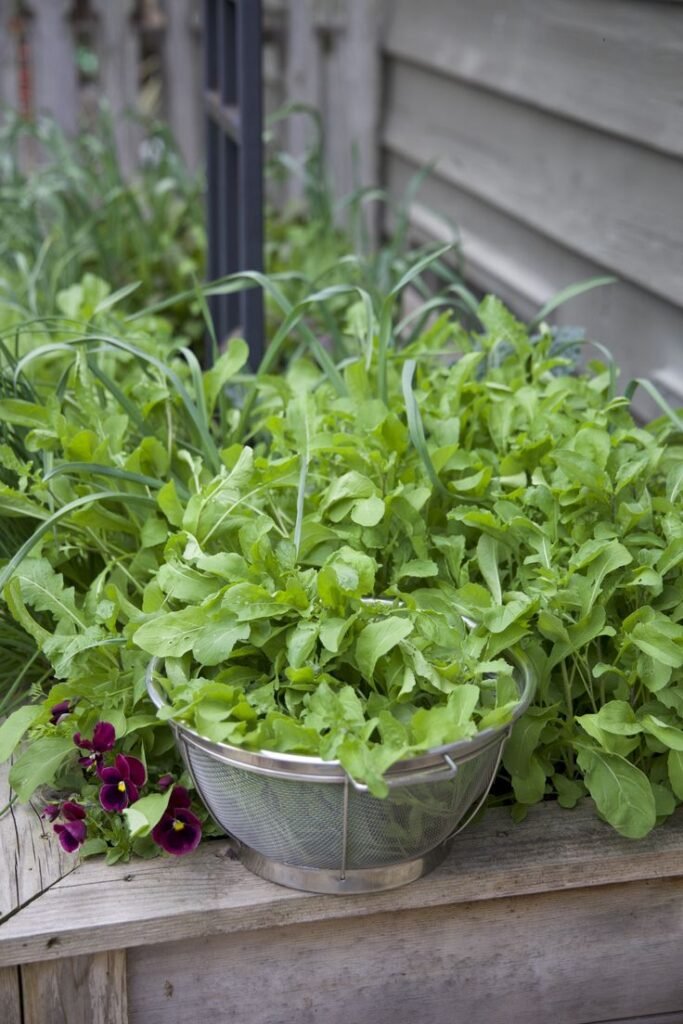
Arugula is a fast-growing, nutrient-packed leafy green that thrives as one of the easiest vegetables to grow in containers. Its compact size makes it perfect for small pots as shallow as 6–8 inches. With a peppery flavor, arugula adds a fresh kick to salads and dishes, making it a favorite for home gardeners.
To grow arugula in containers, fill your pot with well-draining soil and place it in a location with partial to full sun. Sow seeds densely, as arugula doesn’t mind being slightly crowded, and keep the soil consistently moist. You can start harvesting the tender leaves in as little as 3 weeks, cutting outer leaves first to encourage ongoing growth. For a continuous supply, replant seeds every 2–3 weeks throughout the growing season. As one of the simplest vegetables to grow in containers, arugula is a versatile and rewarding choice for fresh, homegrown greens.
6. Spinach
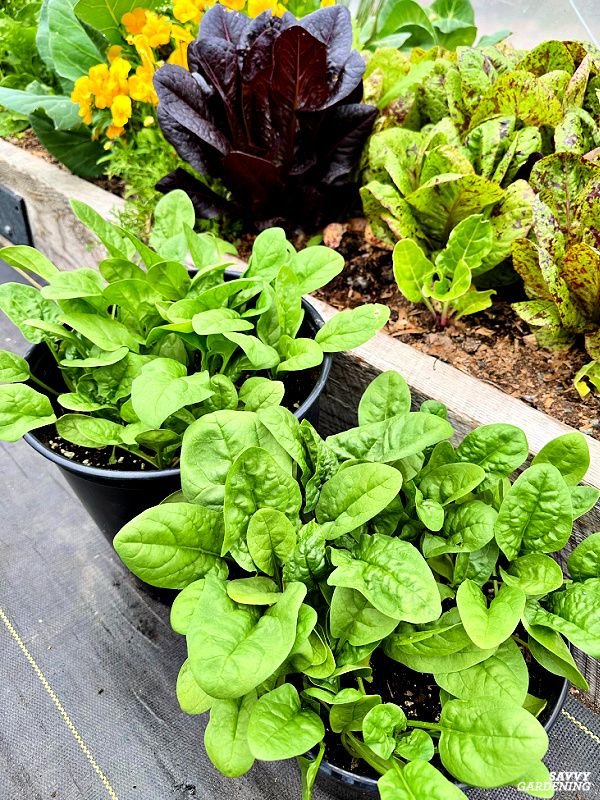
Spinach is a nutritious and easy-to-grow leafy green that thrives as one of the best vegetables to grow in containers. Its deep root system makes it suitable for pots that are at least 6–8 inches deep. Spinach prefers cooler weather but grows well in partial sun to full sun, making it a great choice for container gardening throughout the seasons. Fill your container with rich, well-draining soil, and keep it consistently moist. Sow seeds directly into the soil, spacing them about 2 inches apart. Spinach grows quickly, and you can start harvesting tender leaves in just 4–6 weeks. For continuous harvests, plant seeds every 2–3 weeks. With its high nutritional value and ease of growth, spinach is an excellent addition to any container garden, providing fresh, leafy greens throughout the year.
7. Eggplants
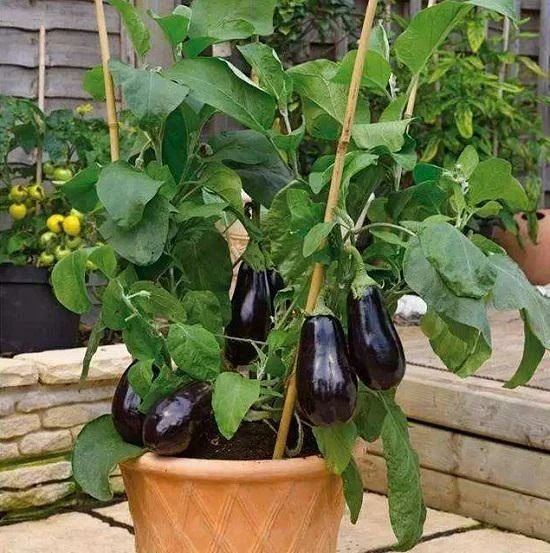
Eggplants are excellent vegetables to grow in containers, making them a great choice for small spaces like patios, balconies, or urban gardens. They thrive in large pots that are at least 18 inches deep, with well-draining, nutrient-rich soil. Eggplants require full sun, ideally 6–8 hours of direct sunlight daily, to ensure healthy growth and abundant fruit production.
Select compact, dwarf varieties like ‘Patio Princess’ or ‘Fairy Tale’ that are specifically bred for container gardening. Keep the soil consistently moist, but be careful not to overwater, as eggplants dislike sitting in water. Regular fertilization every 2–3 weeks helps support strong growth and fruiting.
With proper care, eggplants will produce vibrant, flavorful fruits throughout the growing season, making them a rewarding addition to any container garden.
8. Cucumbers
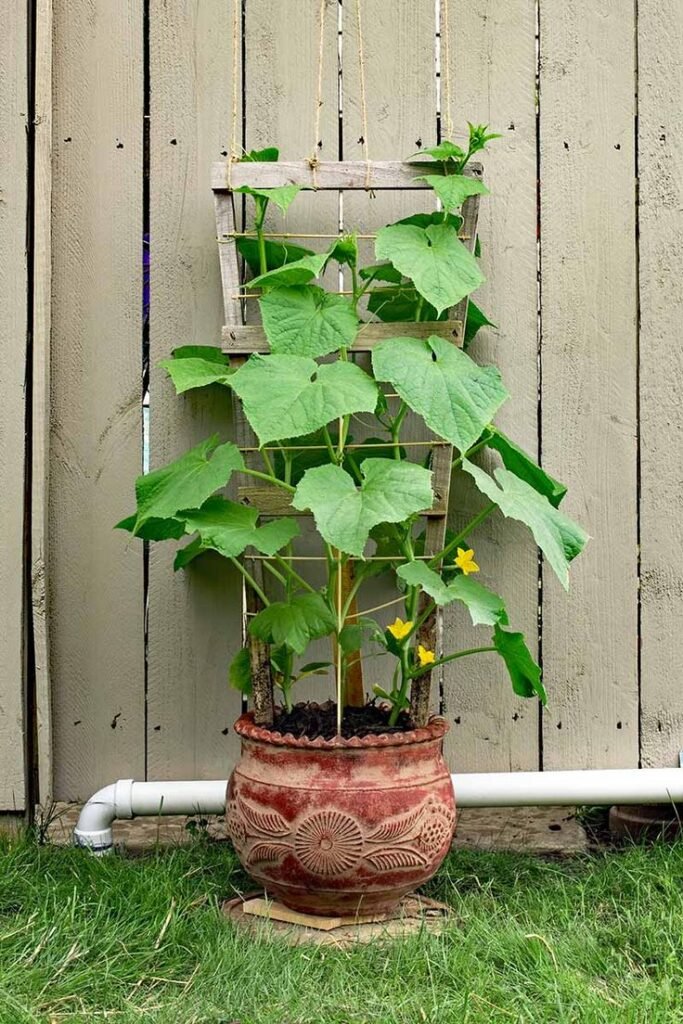
Cucumbers are one of the best vegetables to grow in containers, especially for limited spaces like balconies or patios. They thrive in large pots, ideally 12–18 inches deep, with well-draining soil. Cucumbers require full sun, needing at least 6–8 hours of direct sunlight daily to produce healthy vines and fruit.
Varieties like bush cucumbers or smaller vining types like ‘Spacemaster’ are perfect for container gardening. To save space, provide a trellis or support for the vines to climb. Keep the soil consistently moist, as cucumbers are prone to drying out. Regular watering and weekly fertilization ensure continuous growth and fruit production throughout the season.
With their crisp, refreshing fruits, cucumbers are a rewarding and productive addition to any container garden.
9. Peas
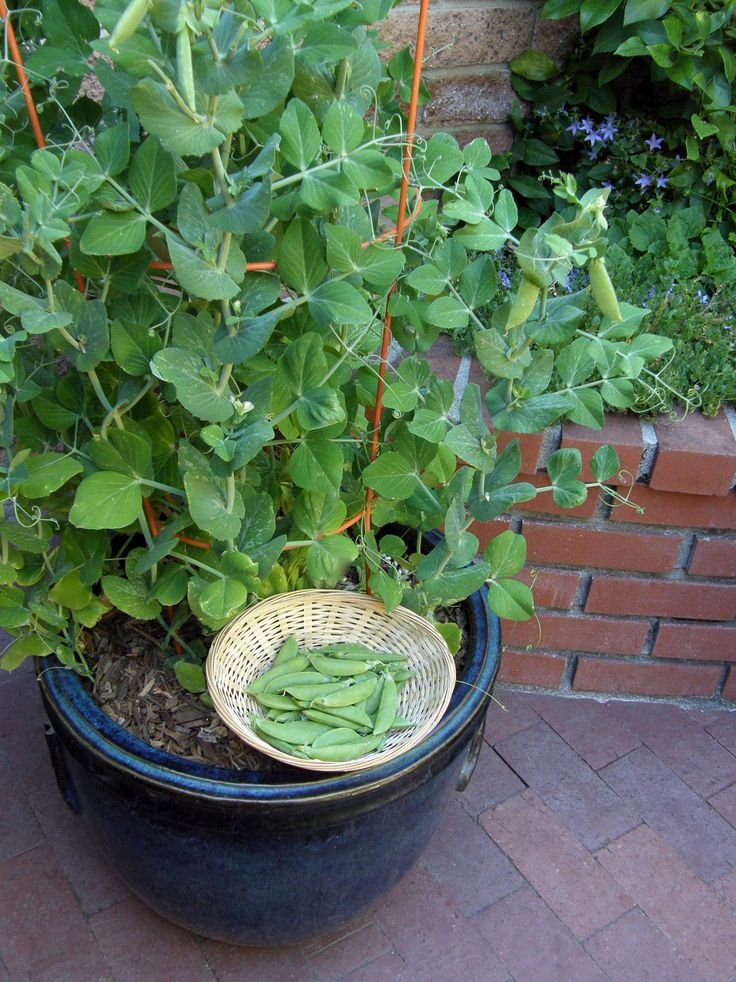
Peas are a fantastic choice among vegetables to grow in containers, perfect for small spaces like balconies or patios. Bush or dwarf pea varieties are best for container gardening, as they grow compactly and don’t require as much space as climbing varieties. Use a deep container, at least 12 inches deep, with well-draining soil to encourage healthy root development. Peas thrive in cooler weather and require 6–8 hours of sunlight daily to produce sweet, crisp pods.
For climbing varieties, provide a trellis or support to help maximize space. Regular watering is essential, as peas prefer moist but well-drained soil. With proper care, you can enjoy a bountiful harvest of fresh peas throughout the growing season, making them a rewarding addition to any container garden.
10. Carrots
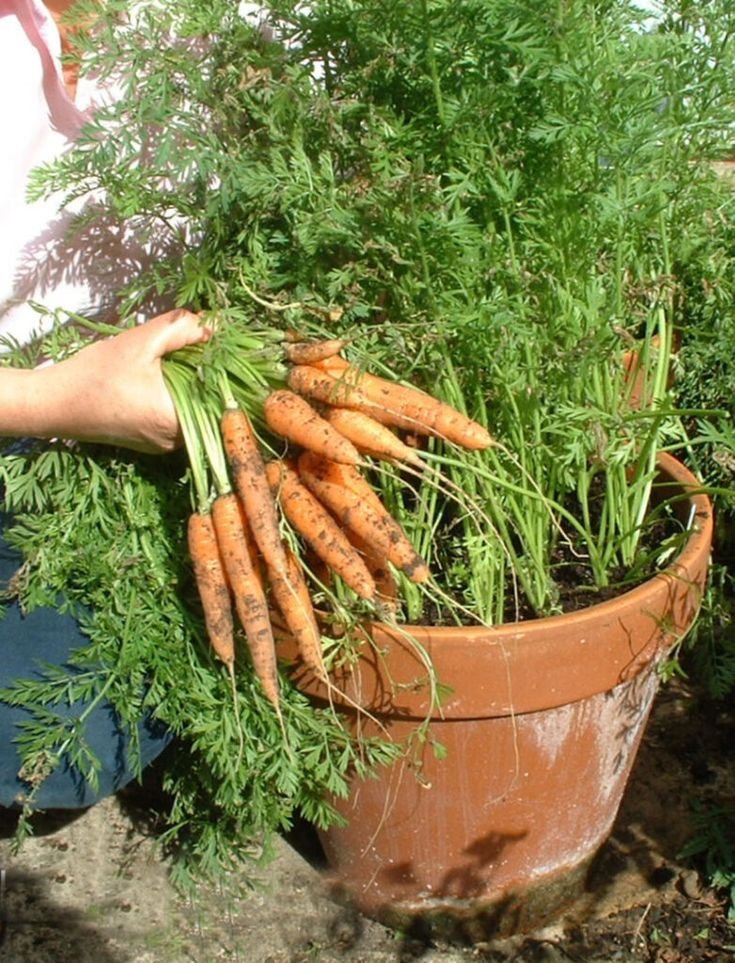
Carrots are one of the best veggies to grow in containers if you have limited space. They love deep containers, at least 12 inches deep, with loose well draining soil. Choose shorter, container friendly varieties like ‘Nantes’ or ‘Thumbelina’ for best results. Carrots prefer cool weather and 6-8 hours of sun a day to produce sweet, tasty roots.
Keep the soil moist but not waterlogged. Fertilize lightly and harvest from the bottom as the carrots grow so you get continuous production throughout the season. With proper care carrots will produce crispy delicious roots, they’re a great addition to any container garden.
11. Kale
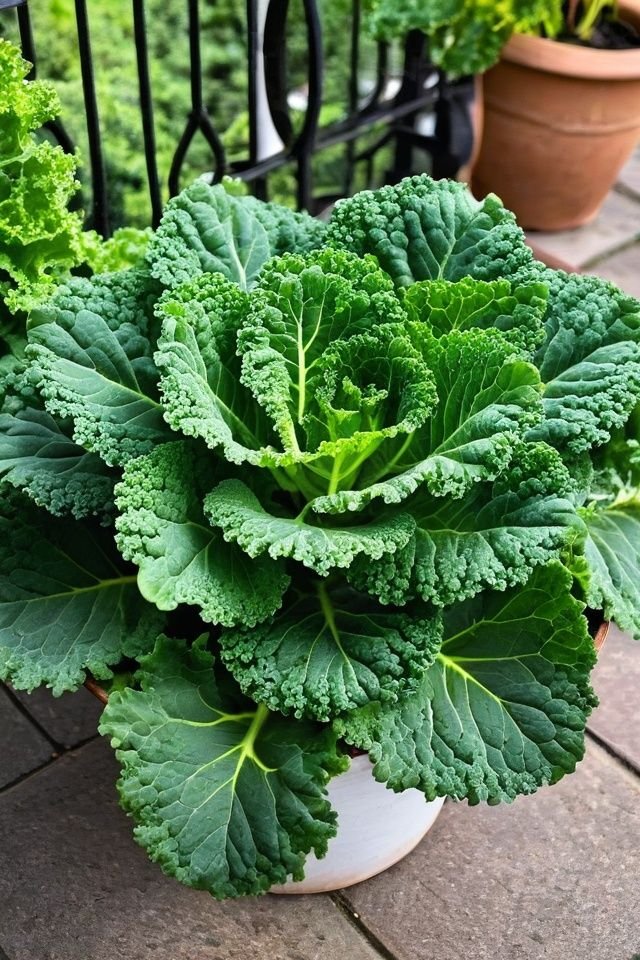
Kale is a highly nutritious and easy-to-grow vegetable, making it a popular choice for container gardening. Its deep root system thrives in pots that are at least 12 inches deep. Kale prefers cooler temperatures and grows well in partial to full sun, requiring about 6–8 hours of sunlight daily.
Plant seeds or transplants in well-draining, nutrient-rich soil. Water consistently but avoid overwatering, as kale prefers slightly drier soil. Regular harvesting of outer leaves encourages continuous growth, providing fresh, tender greens throughout the season.
With its hardiness and versatility, kale is an excellent addition to any container garden, offering a steady supply of leafy greens.
12. Cauliflower
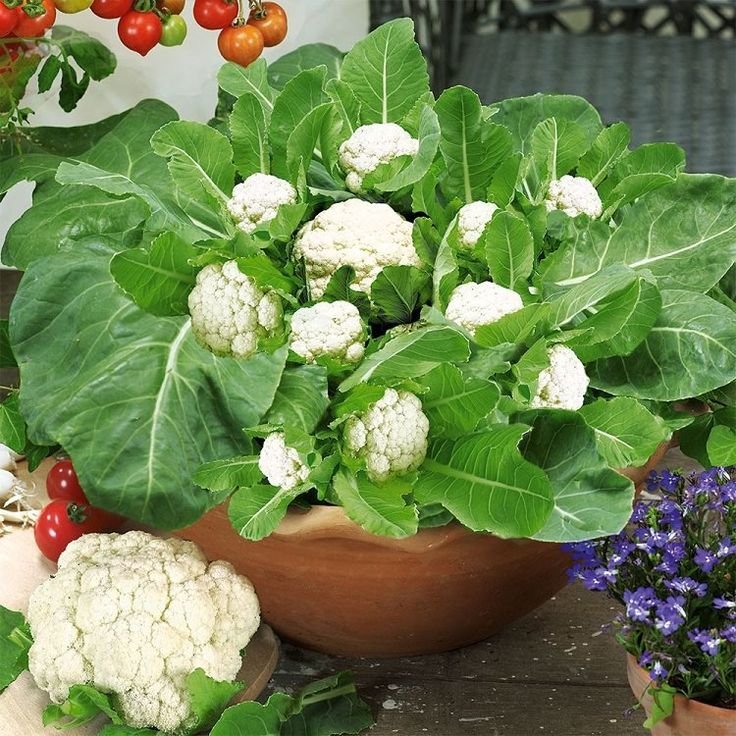
Cauliflower is a versatile and space-efficient vegetable that grows well in containers. It requires a deep container, at least 12–18 inches deep, with well-draining soil. Cauliflower thrives in cooler temperatures and prefers partial to full sun, needing 6–8 hours of sunlight daily.
Plant transplants rather than seeds to ensure proper spacing, as they need room to develop large, compact heads. Keep the soil consistently moist but not waterlogged. Regular watering and consistent fertilization help promote strong growth and prevent bolting.
With its unique appearance and rich taste, cauliflower is a rewarding addition to any container garden, providing fresh, healthy heads throughout the growing season.
13. Swiss Chard
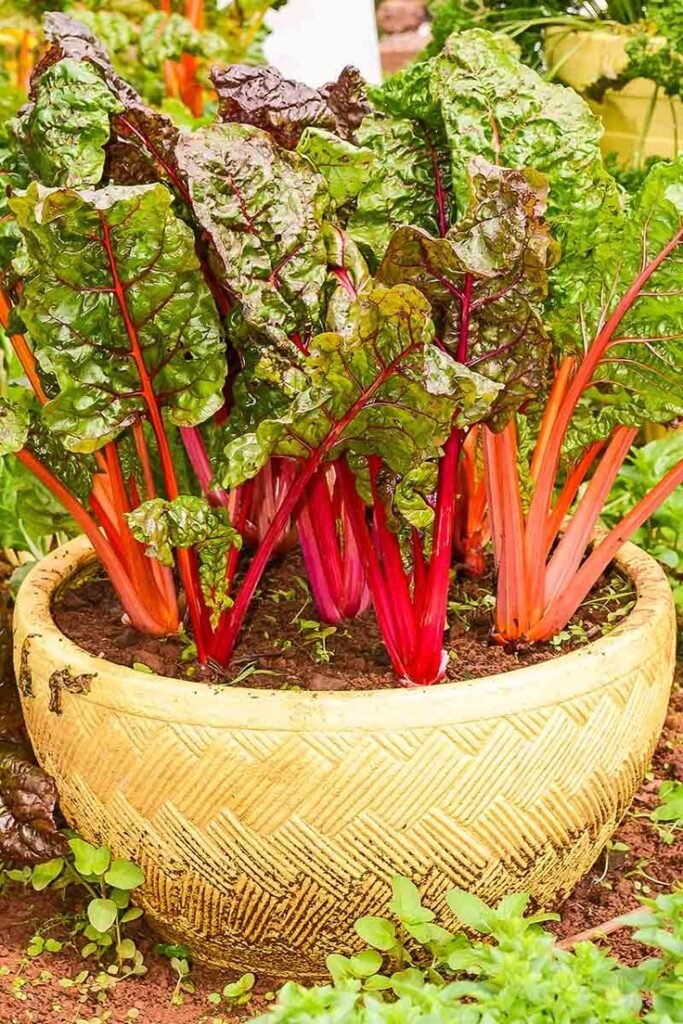
Swiss chard is a colorful and nutrient-rich vegetable that grows exceptionally well in containers. It thrives in shallow to moderately deep pots, about 6–8 inches deep, with well-draining soil. Swiss chard prefers cooler weather and grows best in partial to full sun, requiring 6–8 hours of sunlight daily.
Sow seeds directly into the soil, spacing them about 4–6 inches apart. Water consistently to keep the soil moist but avoid overwatering. Harvest outer leaves regularly to encourage continued growth. Swiss chard is known for its beautiful, vibrant stems and tender, flavorful greens, making it a stunning and delicious addition to any container garden. With its ease of growth and versatility, Swiss chard is a valuable choice for container gardeners looking for colorful and nutritious greens.
14. Broccoli
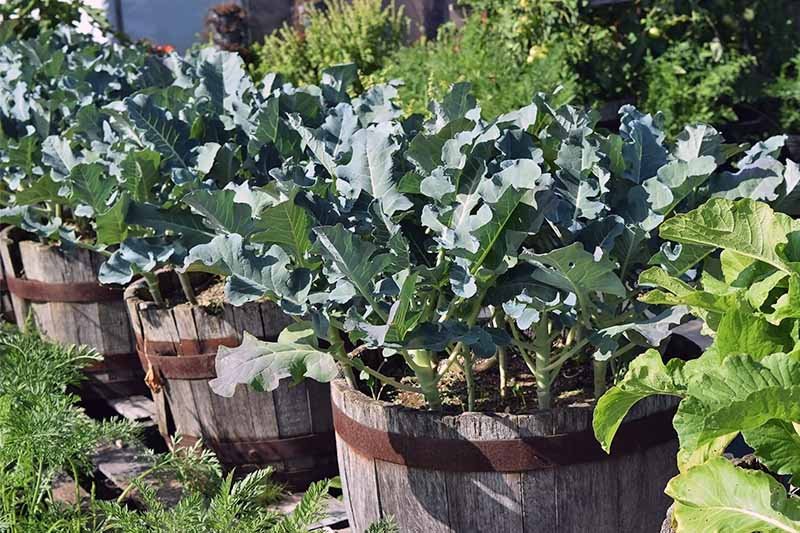
Broccoli is a nutritious and productive vegetable that can thrive in containers with proper care. Use a deep container, at least 12–18 inches, filled with rich, well-draining soil. Broccoli prefers cooler temperatures and requires 6–8 hours of sunlight daily for optimal growth.
Start with transplants rather than seeds to speed up the growing process. Space the plants appropriately, as broccoli heads need room to develop. Keep the soil consistently moist but avoid waterlogging. Regular feeding with a balanced fertilizer promotes strong, healthy growth.
Harvest the central head when it reaches maturity, and side shoots may continue producing smaller heads. With its health benefits and ability to grow in compact spaces, broccoli is a smart choice for container gardening.
15. Zucchini

Zucchini is a high-yielding vegetable that grows surprisingly well in containers with the right setup. Use a large, deep container, at least 18 inches wide and deep, to accommodate the plant’s spreading roots and vines. Zucchini requires full sun, needing 6–8 hours of sunlight daily, and thrives in nutrient-rich, well-draining soil.
Choose bush varieties like ‘Black Beauty’ or ‘Raven’ for container gardening, as they are more compact. Water consistently to keep the soil moist, but avoid waterlogging. Regular feeding with a balanced fertilizer helps sustain the plant’s vigorous growth.
With proper care, zucchini produces a continuous harvest of tender, flavorful squash, making it an excellent addition to any container garden. Its high productivity and ease of growth make it one of the best vegetables to grow in containers for abundant yields.
16. Green beans
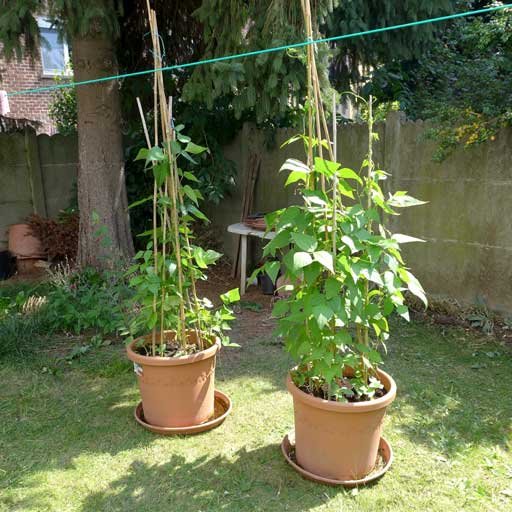
Green beans are an excellent choice for container gardening, offering high yields in small spaces. They grow well in pots that are at least 12 inches deep, with well-draining soil and plenty of sunlight. For bush varieties, opt for compact types like ‘Provider’ or ‘Blue Lake.’ If you prefer pole beans, use a trellis or support system to maximize vertical space.
Place the container in a sunny spot where the plants can receive 6–8 hours of sunlight daily. Water consistently to keep the soil moist but not soggy. Green beans grow quickly, and you can begin harvesting in as little as 50–60 days.
With their versatility and ease of care, green beans are a productive addition to any container garden, providing fresh, crisp beans throughout the growing season.
17. Beets
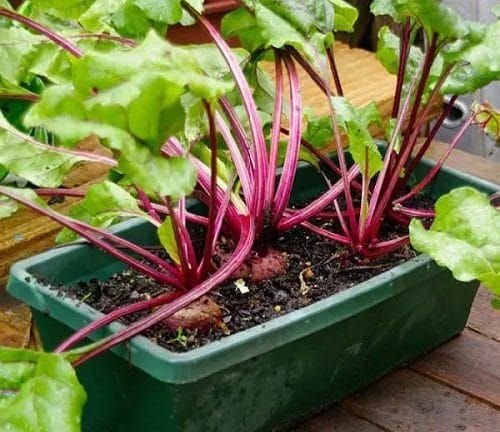
Beets are an easy and rewarding vegetable to grow in containers, thriving in small spaces with minimal effort. They prefer a deep container, at least 10–12 inches, filled with loose, well-draining soil to allow their roots to develop properly. Beets grow best in cooler weather and require 6–8 hours of sunlight daily.
Plant seeds directly into the soil, spacing them about 3 inches apart. Water consistently to keep the soil evenly moist, but avoid overwatering. Beets are fast-growing, and you can begin harvesting both the tender greens and the roots within 6–8 weeks.
Their dual-purpose nature, offering both edible leaves and flavorful roots, makes beets a versatile and valuable addition to any container garden.
18. Onions
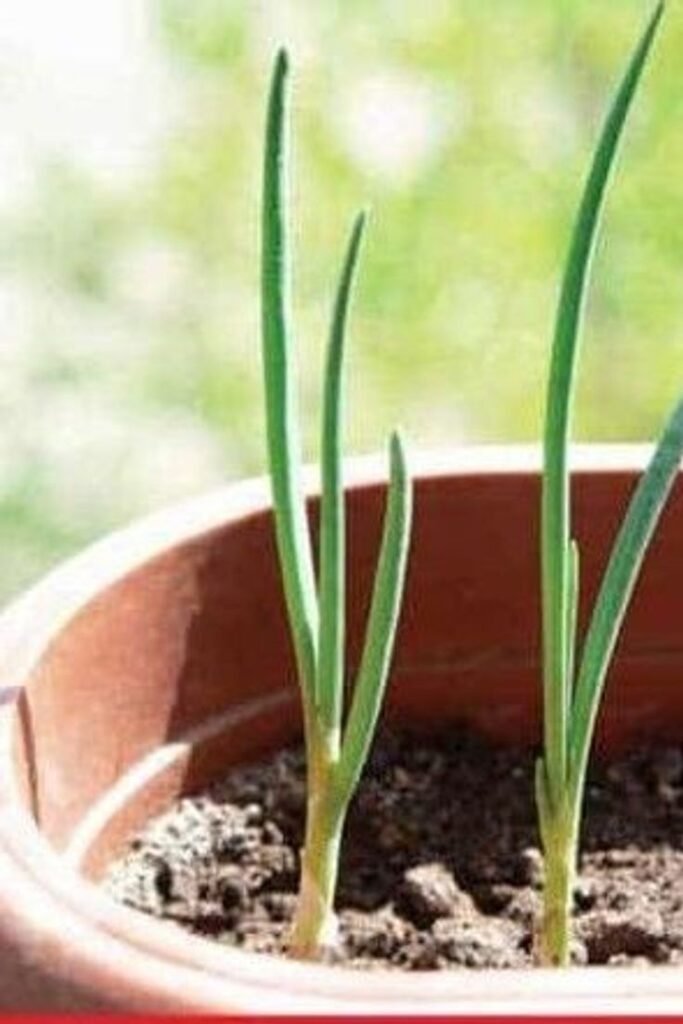
Onions are versatile and easy-to-grow vegetables, making them an excellent choice for container gardening. They thrive in a pot that is at least 10–12 inches deep with well-draining soil. Onions prefer full sun, requiring 6–8 hours of sunlight daily, to develop strong and flavorful bulbs.
You can grow onions from seeds, sets, or transplants. Space them about 3–4 inches apart to allow room for bulb development. Keep the soil consistently moist but not soggy, as onions require regular watering to grow properly. Fertilize with a nitrogen-rich fertilizer to promote healthy leaf growth, which is essential for bulb formation.
With their compact growth and minimal maintenance, onions are a practical and productive addition to any container garden, providing fresh bulbs and greens throughout the growing season.
19. Turnips
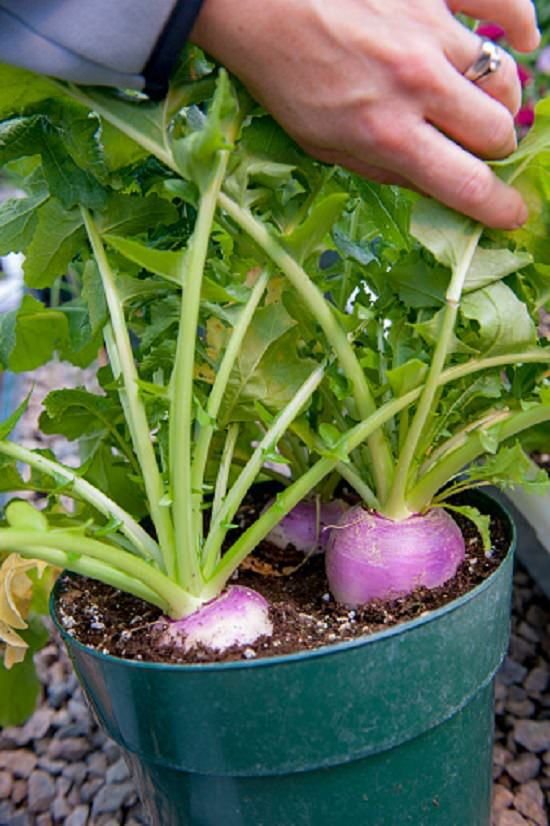
Turnips are a versatile and easy-to-grow vegetable that does well in containers, making them ideal for small spaces. They thrive in pots that are at least 12 inches deep, with loose, well-draining soil to support healthy root growth. Turnips grow best in cooler temperatures and require 6–8 hours of sunlight daily.
Plant seeds directly into the container, spacing them about 3–4 inches apart. Keep the soil consistently moist but not waterlogged. Turnips are a fast-growing crop, and you can harvest tender roots in as little as 6–8 weeks. Their leafy greens are also edible and can be harvested even earlier.
Turnips offer a dual-purpose harvest of nutritious greens and flavorful roots, making them a valuable and efficient addition to any container garden.
20. Celery
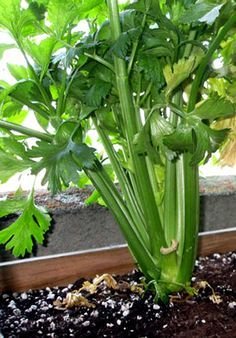
Celery is a great vegetable to grow in containers, especially if you have limited space. Choose a deep container (at least 8-10 inches) with good drainage. Use nutrient-rich, well-draining soil and plant celery in cool weather. Keep the soil consistently moist, as celery needs plenty of water to grow crisp stalks. Place the container in full sun for at least 6 hours a day. Celery takes time to mature (about 3-4 months), but you can start harvesting outer stalks once they are 6-8 inches tall. Regular feeding with compost or liquid fertilizer helps promote healthy growth


