Keeping a mattress clean is crucial for comfort and health. I’ve often wondered how to clean a mattress effectively without professional help. After some trial and error, I finally nailed down the best cleaning process. Whether it’s accidental spills, pet stains, or just regular upkeep, understanding how to clean a mattress can make a huge difference. Over time, mattresses can accumulate sweat, skin cells, and dust mites, which can affect sleep quality. Regular cleaning also helps extend the life of your mattress.
The process may seem complicated, but it’s actually straightforward when broken down into easy steps. I’ll guide you through all the essential techniques for a deep, thorough clean. You’ll learn how to remove stains, eliminate odors, and refresh the surface. From vacuuming to using baking soda and spot treatments, these tips will help maintain a fresh mattress all year.
In this guide, I’ll also share methods for cleaning different mattress types, whether memory foam or hybrid. Plus, I’ll highlight common mistakes to avoid. So, if you’re ready to tackle your mattress cleaning project, keep reading. By the end, you’ll know how to clean a mattress thoroughly and maintain a fresher sleeping surface. Let’s jump into the best cleaning strategies and ensure your bed is as hygienic and cozy as possible.
Why Regular Mattress Cleaning Matters
Knowing how to clean a mattress is essential for several reasons. Over time, sweat, dead skin cells, and dust mites accumulate. If not cleaned regularly, your mattress can become a breeding ground for allergens and bacteria. This buildup can affect sleep quality and even trigger allergic reactions.
Routine cleaning also helps maintain your mattress’s lifespan. A clean mattress is less likely to develop odors or stains, ensuring it stays fresh and inviting. Cleaning removes dust and debris that can weaken the mattress fibers over time.
Maintaining a clean mattress is especially important for those with allergies or sensitive skin. Regular cleaning minimizes exposure to dust mites and allergens. If you’ve recently purchased a new mattress, starting with good cleaning habits will help preserve its quality for years.
Additionally, regular cleaning can reduce unwanted odors. A fresh-smelling mattress makes the bedroom more pleasant and contributes to better overall relaxation. Knowing how to clean a mattress is an investment in your comfort and long-term health.
How to Clean a Mattress: Step-by-Step Process
1. Strip the Bedding
Start by removing all sheets, pillowcases, and mattress protectors. Wash the bedding with hot water to kill bacteria and dust mites. Regularly laundering your bedding is just as important as knowing how to clean a mattress. Fresh sheets prevent dirt and sweat from seeping into the mattress.
Consider using a mattress protector to help prevent future stains and spills. These covers act as a barrier, keeping sweat and dirt from penetrating the mattress surface.
2. Vacuum Thoroughly
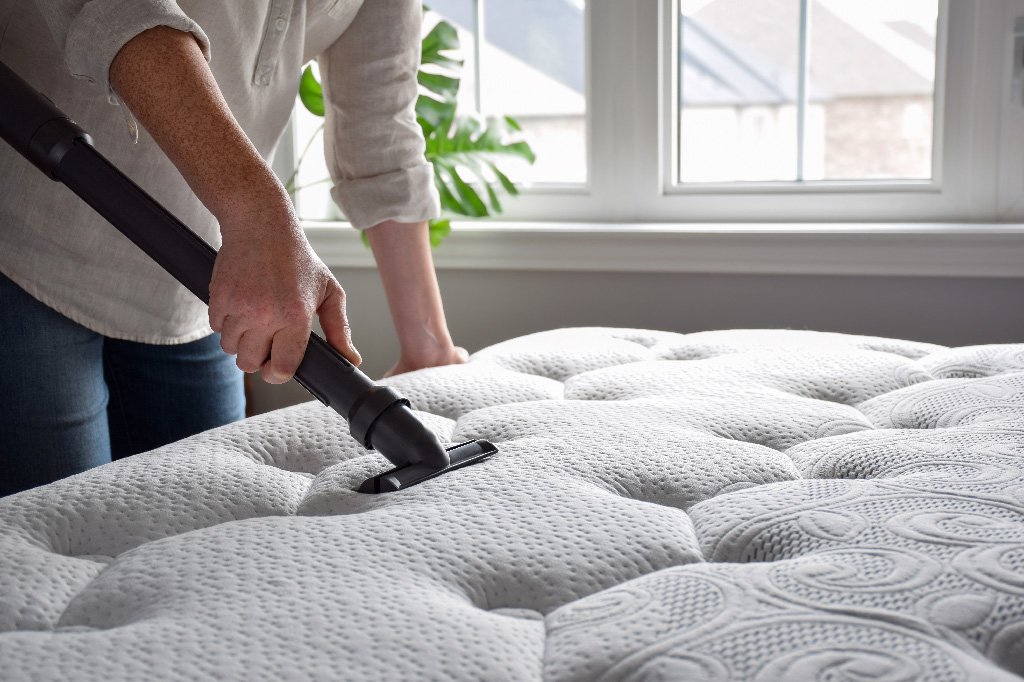
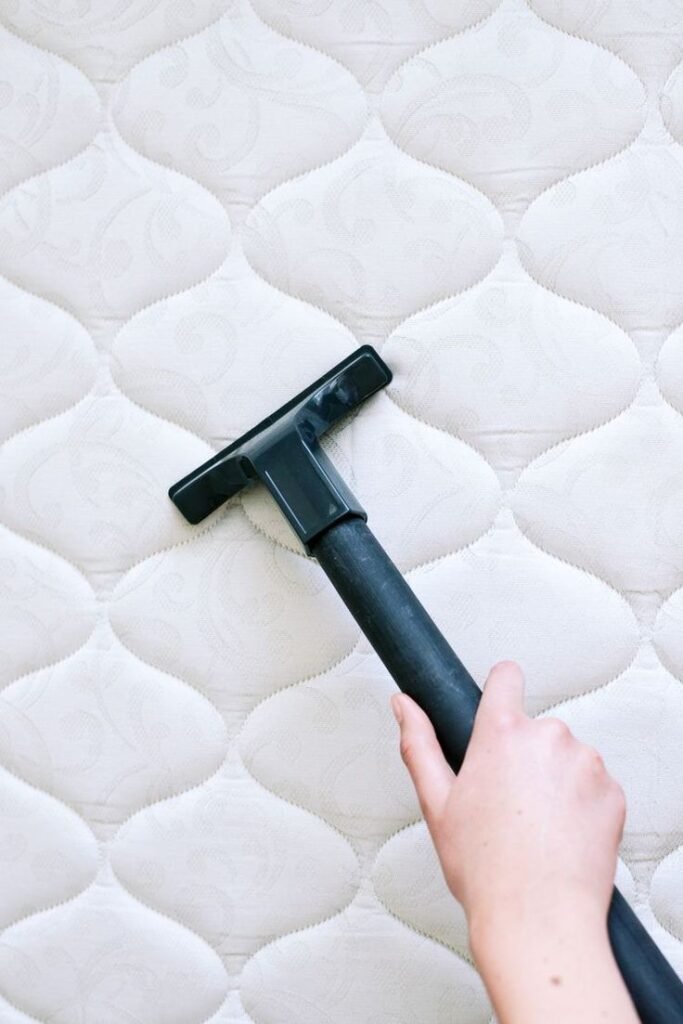
Use a vacuum cleaner with an upholstery attachment to remove surface debris. Focus on seams and crevices, where dust and hair tend to collect. This step is essential before applying any cleaning products or treatments. Regular vacuuming is a cornerstone of how to clean a mattress properly.
For best results, vacuum both sides of the mattress. Flip the mattress over and repeat the process to remove as much dust and debris as possible.
Removing Stains from Your Mattress
Stains are inevitable, but they don’t have to be permanent. Knowing how to clean a mattress includes understanding different stain removal methods and acting quickly to tackle each type effectively. Whether caused by sweat, spills, or accidents, addressing stains immediately will improve your chances of removing them completely.
Sweat and Oil Stains
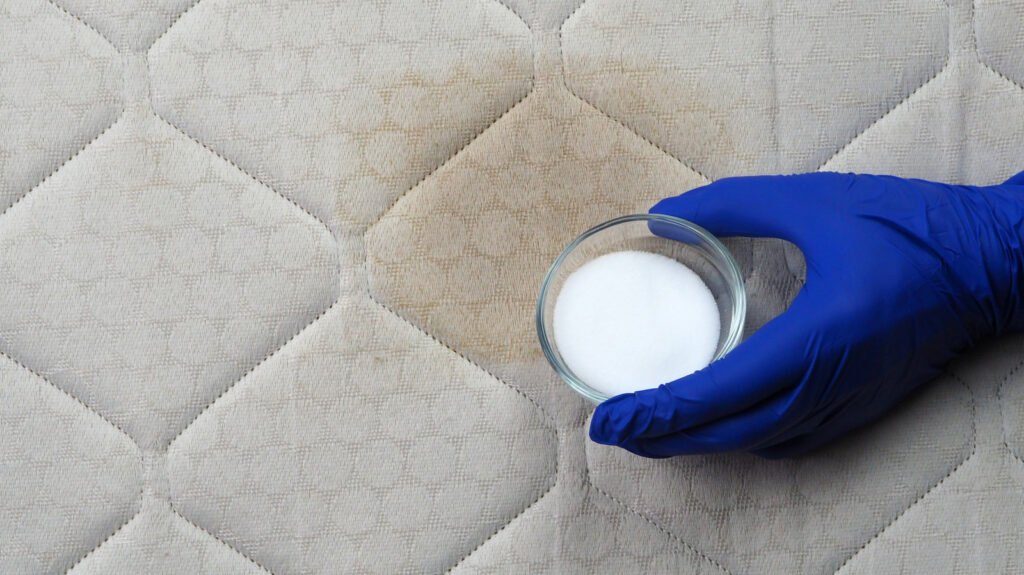
Sweat and body oils can seep into a mattress over time, leaving yellowish stains. To remove these, create a mixture of baking soda and hydrogen peroxide. Apply it directly to the stain and let it sit for at least 30 minutes. The baking soda works as a natural deodorizer, while the hydrogen peroxide breaks down the oils. Blot the stain with a clean cloth until most of the mixture is absorbed. For stubborn stains, repeat the process or add a bit of liquid dish soap to the mixture for extra cleaning power.
Blood Stains
Blood stains can be tricky because they tend to set quickly. Start by using cold water—never hot, as heat can set the stain. Mix the cold water with a small amount of dish soap. Gently dab the stain (don’t rub, as this can spread the stain or push it deeper into the mattress). Continue blotting until the stain starts to lift. For older stains, apply a paste made from baking soda and water, let it dry, and then vacuum the residue.
Urine Stains
Urine stains are particularly tough because they can leave behind odor and discoloration. Enzymatic cleaners are the best choice for breaking down the proteins in urine. Spray the affected area generously and allow it to air-dry. Enzymatic cleaners also help eliminate any lingering odors. If the stain persists, reapply the cleaner or sprinkle baking soda over the stain before vacuuming it up.
For tougher or set-in stains, repeating the cleaning process may be necessary. It’s also helpful to use a mattress protector to prevent future stains from penetrating the surface. Acting quickly on all stains is crucial to prevent them from becoming permanent. With the right techniques, even the most stubborn stains can be removed, leaving your mattress clean and fresh.
Deodorizing Your Mattress
To eliminate odors, sprinkle a generous layer of baking soda over the entire surface. Baking soda is a natural deodorizer and essential when learning how to clean a mattress. Let it sit for at least an hour—longer for stronger odors. Then, vacuum up the baking soda thoroughly.
For a fresher scent, you can mix a few drops of essential oil (like lavender) with the baking soda before applying. This simple step helps keep your mattress smelling clean and fresh.
For persistent odors, repeat the process or consider using an activated charcoal deodorizer. These products absorb odors and can be left under the mattress protector for continuous freshness.
How to Clean a Mattress with Steam
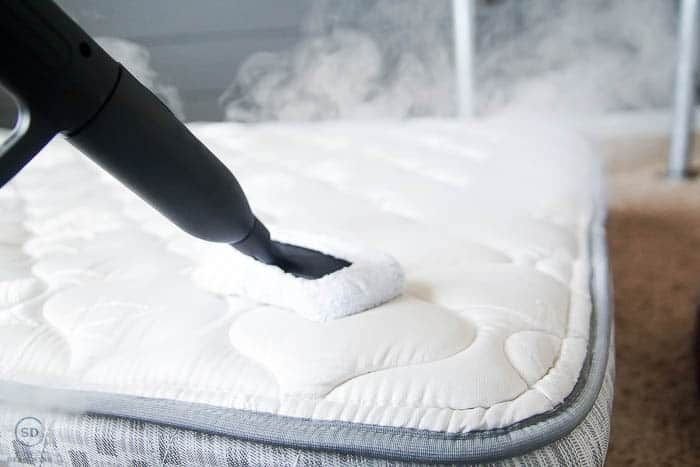
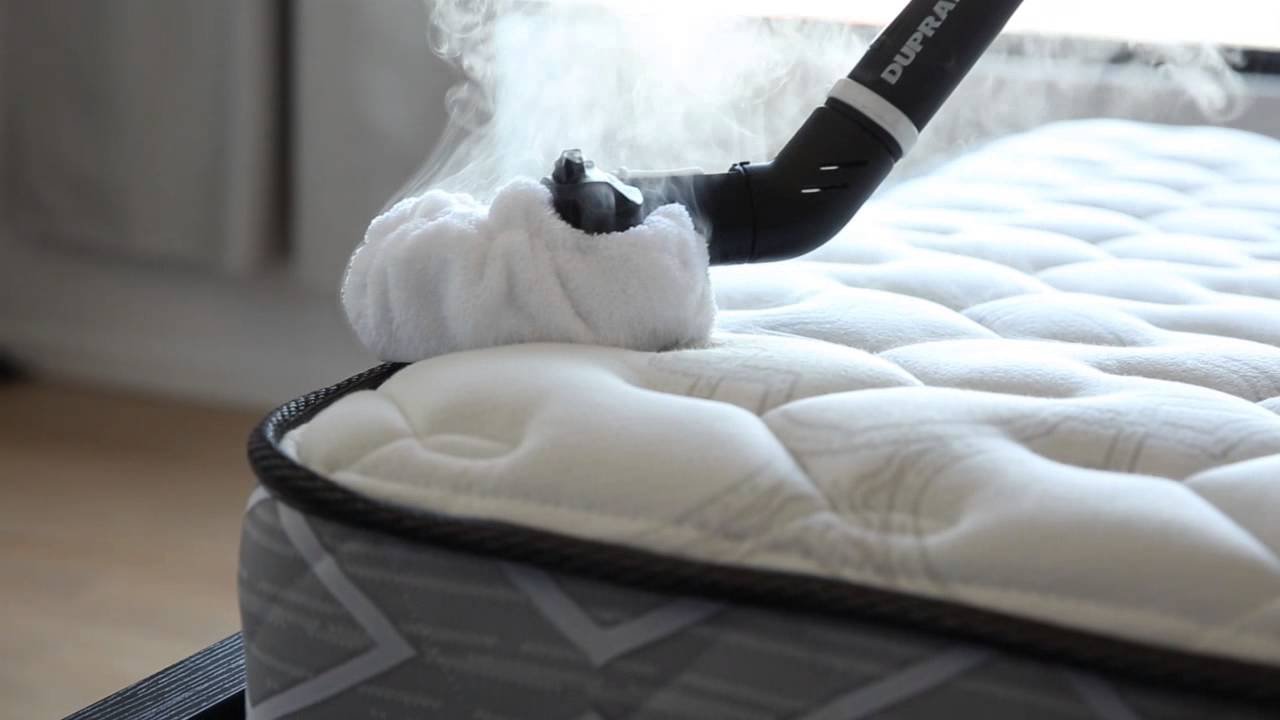
Steam cleaning is another effective method. Steam kills bacteria and dust mites, which is especially helpful for allergy sufferers. However, steam cleaning must be done carefully to avoid soaking the mattress. Too much moisture can lead to mold or mildew. Use a handheld steamer and move it slowly across the surface. Allow the mattress to air-dry completely before placing bedding back on it.
For deeper cleaning, steam cleaning is a great option to harsh chemicals. Still, always follow the manufacturer’s recommendations to avoid damaging the mattress material.
Tips for Spot-Cleaning Stains
If you don’t want to clean the entire mattress, spot-cleaning works well. Here’s how to clean a mattress spot by spot:
- Blot the stain with a damp cloth to remove excess moisture.
- Apply a mild detergent or stain remover.
- Gently dab the area until the stain lifts.
- Rinse with a clean, damp cloth and allow it to air-dry.
Spot-cleaning can help maintain your mattress between deep cleans, preventing stains from setting in.
How to Protect Your Mattress from Future Stains
Preventing stains is just as important as knowing how to clean a mattress. A waterproof mattress protector can guard against spills, sweat, and accidents. It’s easy to remove and wash, ensuring your mattress stays fresh.
Rotating your mattress every few months also helps distribute wear and tear evenly. This practice keeps the mattress surface smoother and cleaner.
Cleaning Memory Foam Mattresses
Cleaning memory foam requires special care. Since memory foam absorbs moisture easily, avoid soaking it. When learning how to clean a mattress made of memory foam, use the following method:
- Vacuum the surface to remove dirt.
- Spot-clean stains with a mild detergent and damp cloth.
- Air-dry the mattress completely before use.
Avoid using steam on memory foam, as the heat can damage its structure.
How Often Should You Clean Your Mattress?
Understanding how to clean a mattress also involves knowing how often to clean it for optimal hygiene. As a general rule, aim to deep clean your mattress every six months to remove accumulated dust, sweat, and skin cells. This biannual cleaning routine helps prevent the buildup of allergens and bacteria, keeping your sleeping environment fresh and healthy.
For those with allergies, asthma, or sensitive skin, more frequent cleaning is recommended. Cleaning your mattress every three months can help minimize exposure to dust mites and other allergens that may trigger reactions. Regular maintenance also reduces the chances of unpleasant odors developing over time.
In between deep cleans, regular vacuuming is essential. Vacuuming every one to two weeks will remove surface dust, pet hair, and debris that can settle on the mattress. This practice also helps prevent dirt from embedding into the mattress fibers.
Using a mattress protector is another crucial step. A high-quality, waterproof mattress protector acts as a barrier against spills, sweat, and dust mites. It also reduces the need for frequent deep cleaning since the mattress itself is shielded from contaminants. By sticking to this regular cleaning schedule, you can extend your mattress’s lifespan and enjoy a cleaner, healthier sleep environment year-round.
Common Mattress Cleaning Mistakes to Avoid
When learning how to clean a mattress, it’s important to avoid common mistakes that can damage your mattress or reduce its lifespan. One of the most common errors is overusing water. Excessive moisture can seep deep into the mattress, making it difficult to dry thoroughly. This trapped moisture can lead to mold or mildew growth, which can cause unpleasant odors and even health issues. Always use minimal water and allow the mattress to air-dry completely.
Another common mistake is skipping vacuuming. Many people apply cleaning treatments directly to a mattress without vacuuming first. However, vacuuming removes surface dirt, dust, and debris, ensuring cleaning products penetrate the fabric more effectively. Without vacuuming, dirt may mix with the cleaning solution and create a muddy residue.
Lastly, using harsh chemicals can do more harm than good. Strong cleaning agents can weaken the mattress fibers, cause discoloration, or leave behind harmful residues. Stick to gentle, non-toxic solutions like baking soda, mild detergent, or enzymatic cleaners.
By avoiding these pitfalls, you can ensure your mattress stays clean, fresh, and in good condition for years to come. Proper care helps extend the life of your mattress and promotes a healthier sleeping environment.
Maintaining a Clean Mattress Year-Round
Consistency is key when it comes to how to clean a mattress effectively. Regularly washing bedding, vacuuming, and spot-cleaning stains will keep your mattress fresh and hygienic. By incorporating these habits into your routine, you’ll enjoy a cleaner, healthier sleep environment.
In summary, knowing how to clean a mattress ensures your sleeping space remains comfortable, fresh, and long-lasting. Whether removing stains, deodorizing, or preventing future damage, these simple steps make mattress care easier than ever. Take charge of your mattress’s cleanliness and enjoy better sleep for years to come.