Building cold frames for fall gardens is one of the simplest and most effective ways to extend your growing season. As temperatures drop, many gardeners pack up their tools and let their beds sit idle. But with a cold frame, you can protect seedlings, leafy greens, and hardy vegetables from frost, retain warmth, and keep your garden productive well into winter.
Cold frames act as mini-greenhouses, capturing sunlight and creating a stable microclimate for plants. They’re easy to construct, customizable, and perfect for small spaces or backyard gardens. By building cold frames for fall gardens, you’ll enjoy fresh produce, stronger seedlings for spring, and the satisfaction of DIY gardening solutions.
In this guide, we’ll cover everything you need to know: why cold frames matter, how to choose materials, step-by-step building instructions, the best plants to grow, and winter care tips to maximize productivity.
Why Cold Frames Are Essential for Fall Gardens
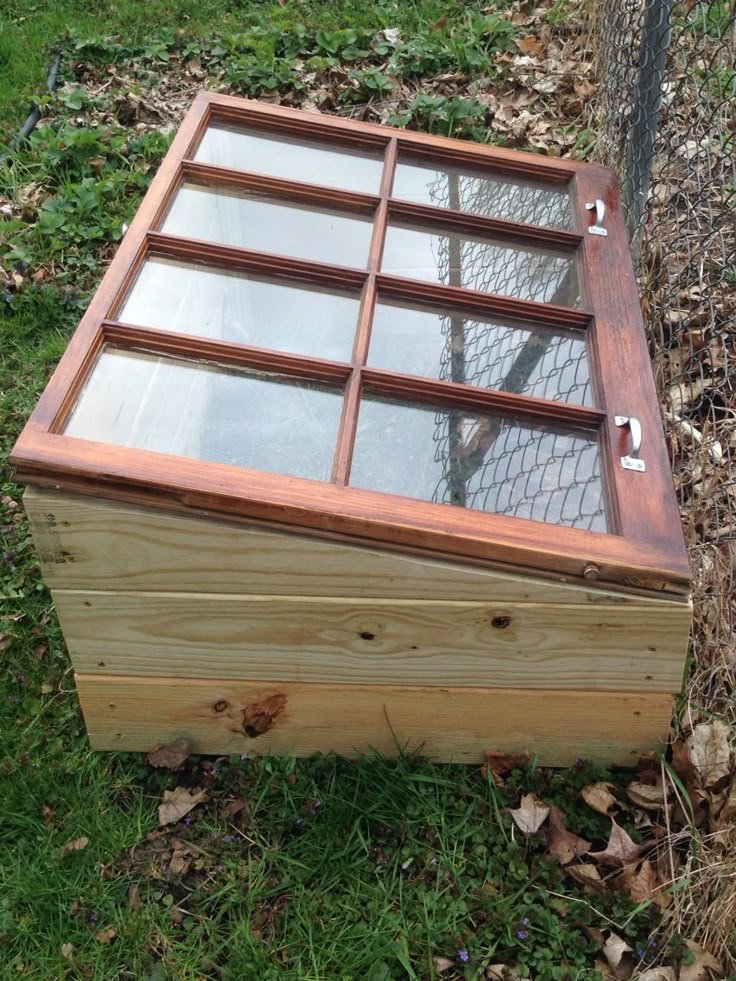
Cold frames offer a wide range of benefits for fall and winter gardening, making them an essential tool for gardeners who want to keep their plants healthy during colder months. One of the most important advantages is frost protection. Cold frames create a microclimate that shields vegetables, herbs, and seedlings from freezing temperatures and frost damage, helping plants survive when outdoor conditions become harsh.
Another major benefit is an extended growing season. By trapping warmth and sunlight, cold frames allow crops to continue growing well past the time they would normally stop outdoors. This means you can enjoy fresh greens and herbs throughout fall and even into early winter. Additionally, cold frames give gardeners an early seedling start, allowing young plants to grow safely before being transplanted into the garden in spring.
Cold frames also provide natural pest management, keeping out animals such as rabbits or deer that might otherwise damage crops. They contribute to improved soil health as well; by covering the soil, they prevent erosion, reduce nutrient loss from rain, and maintain soil structure during the off-season.
Overall, using cold frames for fall gardens is an investment in both productivity and plant health. They help maximize growth, protect soil, and minimize risks from frost, wind, and winter weather, making them a practical addition to any seasonal gardening plan.
Choosing Materials for Cold Frames
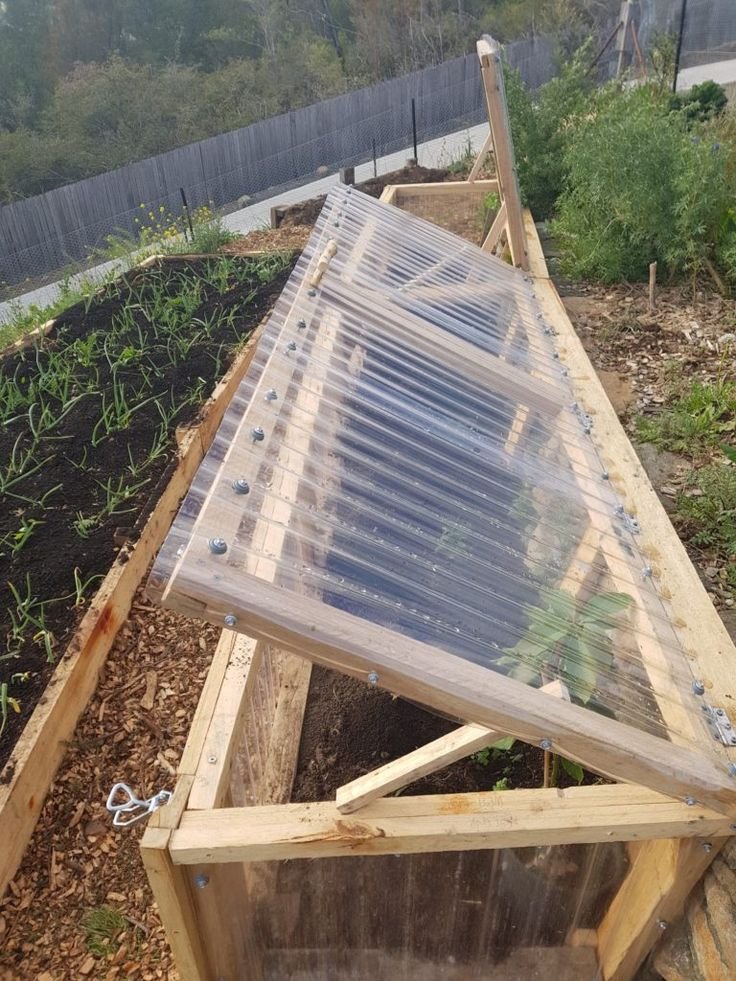
When building cold frames for fall gardens, selecting the right materials is crucial to ensure both durability and functionality. The materials you choose will determine how well your cold frame withstands cold weather, retains heat, and protects your plants throughout fall and winter. A carefully constructed cold frame can last for many seasons, making your investment worthwhile.
Wood is one of the most common and versatile choices. Cedar, redwood, or treated pine are particularly popular because they are durable, naturally resistant to rot, and easy to cut and assemble. Wood also adds a classic, natural look to your garden. You can use it for the base and sides of the cold frame, ensuring a sturdy structure that holds up against wind and snow.
For the top, consider old windows or glass panels. Repurposing windows is a sustainable option that allows sunlight to enter while keeping heat trapped inside. The glass surface maximizes light for your plants, creating the warm microclimate needed for healthy growth.
Alternatively, clear plastic sheets or Plexiglass are lightweight, inexpensive, and simple to replace if damaged. They are ideal for DIY cold frames, especially for gardeners who want a portable or temporary setup.
Don’t forget essential fasteners and hinges. Screws, nails, and sturdy hinges allow you to secure the top panel while making it easy to lift for ventilation, watering, and harvesting. Choosing the right combination of materials ensures your cold frames for fall gardens are both effective and long-lasting, keeping your plants protected all season.
Step-by-Step Instructions for Building Cold Frames
Step 1: Select a Location
Pick a sunny spot for your cold frame. South-facing locations capture the most light and warmth. Ensure the ground is level and free of large rocks or debris.
Step 2: Prepare the Frame
Cut wood for the frame, typically 3–4 feet wide and 6–8 feet long. The height can vary, but 12–18 inches is standard. Angle the top slightly to allow water runoff. Assemble the base using screws or nails.
Step 3: Attach the Lid
Attach a transparent lid made from glass or clear plastic. Use hinges for easy access and ventilation. Ensure the lid fits snugly to trap heat but can be opened for air circulation on warmer days.
Step 4: Insulate if Necessary
In colder climates, line the inside of the frame with straw, old leaves, or bubble wrap at night for extra insulation. This helps retain heat during freezing nights.
Step 5: Prepare Soil
Loosen the soil inside the frame and mix in compost or organic fertilizer. Good soil ensures healthy growth for seedlings, leafy greens, and herbs.
Step 6: Plant Your Crops
Plant hardy vegetables like spinach, kale, lettuce, carrots, or radishes. Herbs such as parsley, chives, or thyme also thrive in cold frames. Arrange seedlings to maximize space and light exposure.
Best Plants for Cold Frames in Fall and Winter
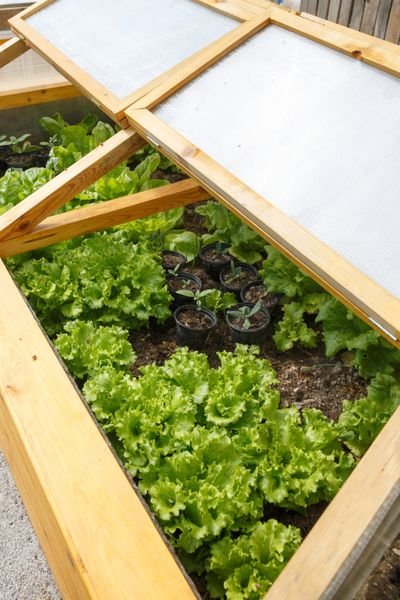
Cold frames for fall gardens provide a protected, warm environment that allows a wide range of plants to thrive even during chilly months. Selecting the right crops ensures that your cold frame remains productive and your harvest lasts longer.
Leafy greens are among the best options for fall and winter cold frames. Spinach, kale, lettuce, and Swiss chard are hardy, fast-growing, and tolerate cooler temperatures. They continue producing fresh leaves throughout the season, giving you a reliable source of nutritious greens. Planting a mix of these leafy vegetables can also add variety to your winter meals.
Root vegetables such as carrots, radishes, beets, and turnips also perform well in cold frames. The controlled environment protects their roots from freezing while allowing steady growth. These crops can be harvested gradually, making them perfect for continuous winter harvesting.
Herbs like parsley, chives, thyme, and cilantro thrive in the slightly warmer, sheltered conditions of a cold frame. Growing herbs indoors or in a cold frame ensures you have fresh flavors available even when the garden is dormant.
For gardeners looking ahead to spring, early seedlings like broccoli, cabbage, and cauliflower can be started in cold frames. This gives young plants a head start, so they are strong and ready to transplant when the outdoor weather warms.
By carefully choosing plants for cold frames in fall and winter, you can enjoy fresh, healthy crops, extend your growing season, and make the most of your protected garden space all year long. These crops to grow longer and stay protected from frost, giving you fresh produce throughout the winter.
Maintenance and Winter Care
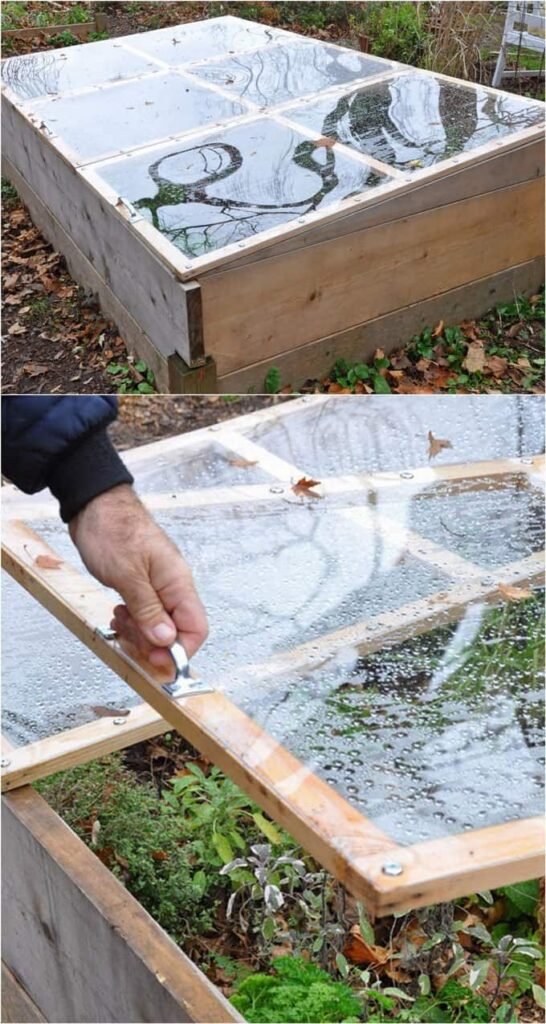
Proper maintenance is essential to ensure that cold frames for fall gardens continue to protect plants and remain productive throughout the colder months. One of the most important aspects is ventilation. On sunny days, the temperature inside a cold frame can rise quickly, even in winter. Opening the lid allows excess heat to escape and prevents plants from becoming stressed or scorched. Regularly adjusting ventilation helps maintain a balanced environment, keeping plants healthy and encouraging steady growth.
Another key element is watering and soil care. Cold frames naturally retain moisture, so it’s important to check soil regularly and water lightly when needed. Overwatering can lead to root rot and other issues, so aim for consistent, moderate moisture rather than saturating the soil. Healthy, well-maintained soil ensures your plants thrive even in chilly weather.
Cleaning is also critical. Remove dead leaves, fallen debris, and any diseased plant material to prevent mold or fungal growth. At the end of the season, clear the soil thoroughly and mix in compost to replenish nutrients for spring planting.
Finally, mulching provides extra protection. A layer of straw, shredded leaves, or organic material helps insulate the soil, retain moisture, and maintain a stable temperature during extreme cold. Consistent care ensures that your cold frames for fall gardens remain productive, healthy, and ready for the next growing season.
DIY Tips to Enhance Your Cold Frame
- Solar Heating – Place dark-colored stones inside to absorb heat during the day and release it at night.
- Portable Frames – Build smaller cold frames that can be moved to sunny spots as needed.
- Stackable Designs – Create multi-layer frames to maximize space for seedlings.
- Repurposed Materials – Use old windows, pallets, or crates to reduce costs and recycle materials.
Benefits of Using Cold Frames for Fall Gardens
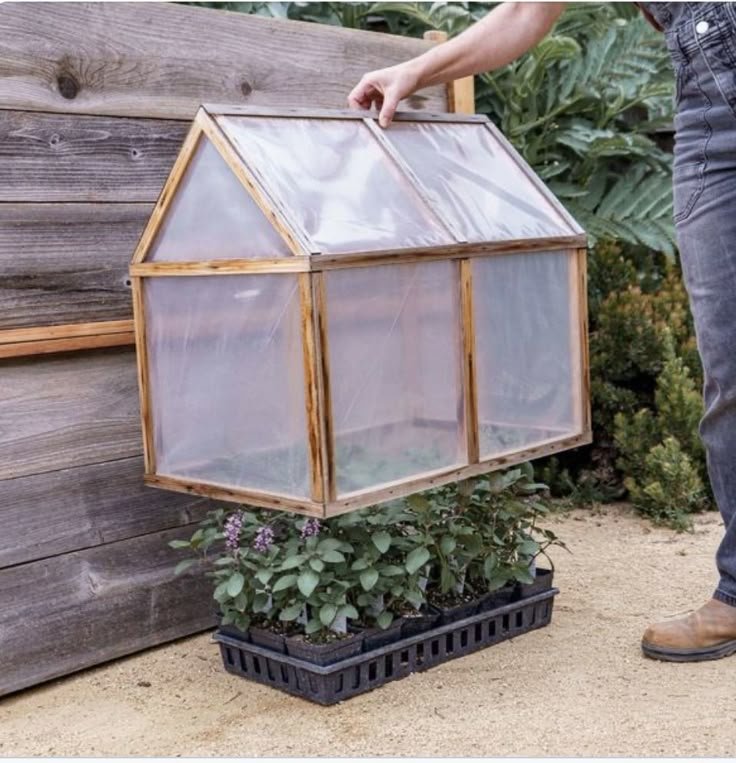
Using cold frames for fall gardens offers a variety of advantages that make them an essential tool for gardeners looking to maximize productivity during the colder months. One of the most significant benefits is the ability to extend the growing season by several weeks. By trapping sunlight and retaining warmth, cold frames allow vegetables, herbs, and seedlings to continue growing well past the time they would normally stop outdoors. This extra time means a longer harvest and fresher produce throughout fall and even into early winter.
Cold frames also provide excellent protection from frost, snow, and heavy rain. The enclosed structure shields plants from extreme weather conditions that could otherwise damage or kill them. By creating a stable, controlled environment, gardeners can ensure that their crops remain healthy and resilient despite unpredictable outdoor conditions.
Another advantage is pest reduction. Cold frames act as a physical barrier against animals like rabbits, deer, or birds that might feed on vulnerable plants. In addition, covering the soil consistently helps increase soil fertility, as organic matter is preserved and nutrient loss is minimized.
Finally, cold frames help gardeners save money by allowing them to grow their own vegetables during the off-season, reducing the need to buy fresh produce. Overall, cold frames for fall gardens are an easy, low-maintenance, and highly effective way to protect plants, maintain soil health, and enjoy a longer, more productive gardening season.
Building cold frames for fall gardens is a practical, rewarding project for gardeners of all levels. They protect plants, extend the growing season, and improve soil health, all while allowing you to enjoy fresh produce throughout fall and winter. With a few materials, some basic tools, and a little planning, you can construct durable, functional cold frames that benefit your garden year after year.
Whether you’re growing leafy greens, root vegetables, or herbs, cold frames are an essential addition to any fall and winter garden. By investing in this simple DIY project, you can make the most of your outdoor space even in the coldest months, ensuring a healthy, thriving garden come spring.