
If you’ve ever admired cheerful clusters of yellow, pink, or bi-colored blooms brightening summer gardens, chances are you’ve seen coreopsis, often called tickseed. These hardy, low-maintenance flowers are a favorite among gardeners for their ability to bloom profusely with very little fuss. Whether you’re new to gardening or looking to expand your perennial beds, learning how to grow coreopsis is a rewarding choice that brings color and pollinators to your yard.
What makes these plants so appealing is their adaptability. They thrive in poor soils, withstand drought, and reward you with months of flowers if cared for properly. In this guide, we’ll walk through everything you need to know about how to grow coreopsis, from planting and soil preparation to ongoing care, pruning, and pest control. By the end, you’ll see why this resilient, sun-loving plant has earned a permanent place in so many gardens.
About Coreopsis
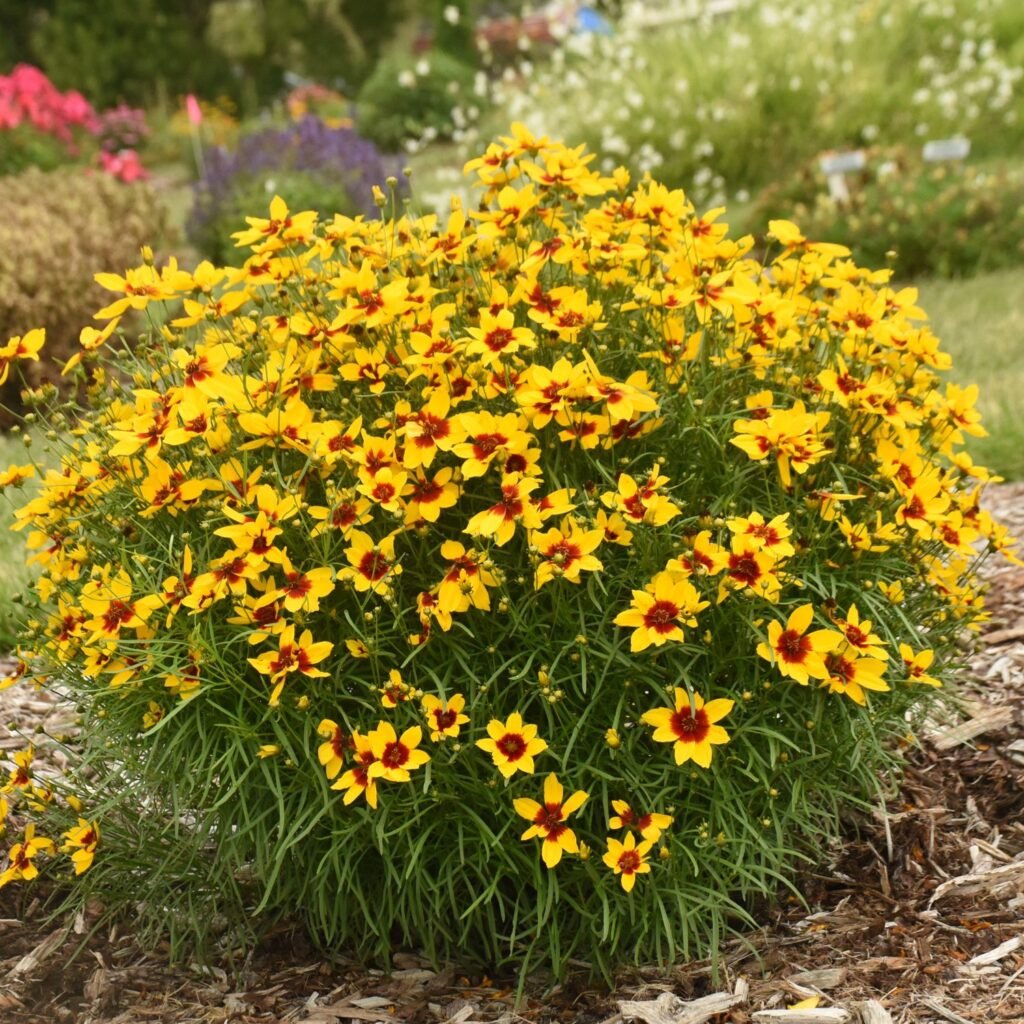
Coreopsis belongs to the Asteraceae family and includes both annual and perennial varieties. Native to North America, many species are naturally adapted to poor soils and dry conditions, making them extremely easy to grow. The plants usually reach between 1 and 3 feet tall and spread about 1 to 2 feet wide, with fine, fern-like foliage that complements the bright flowers.
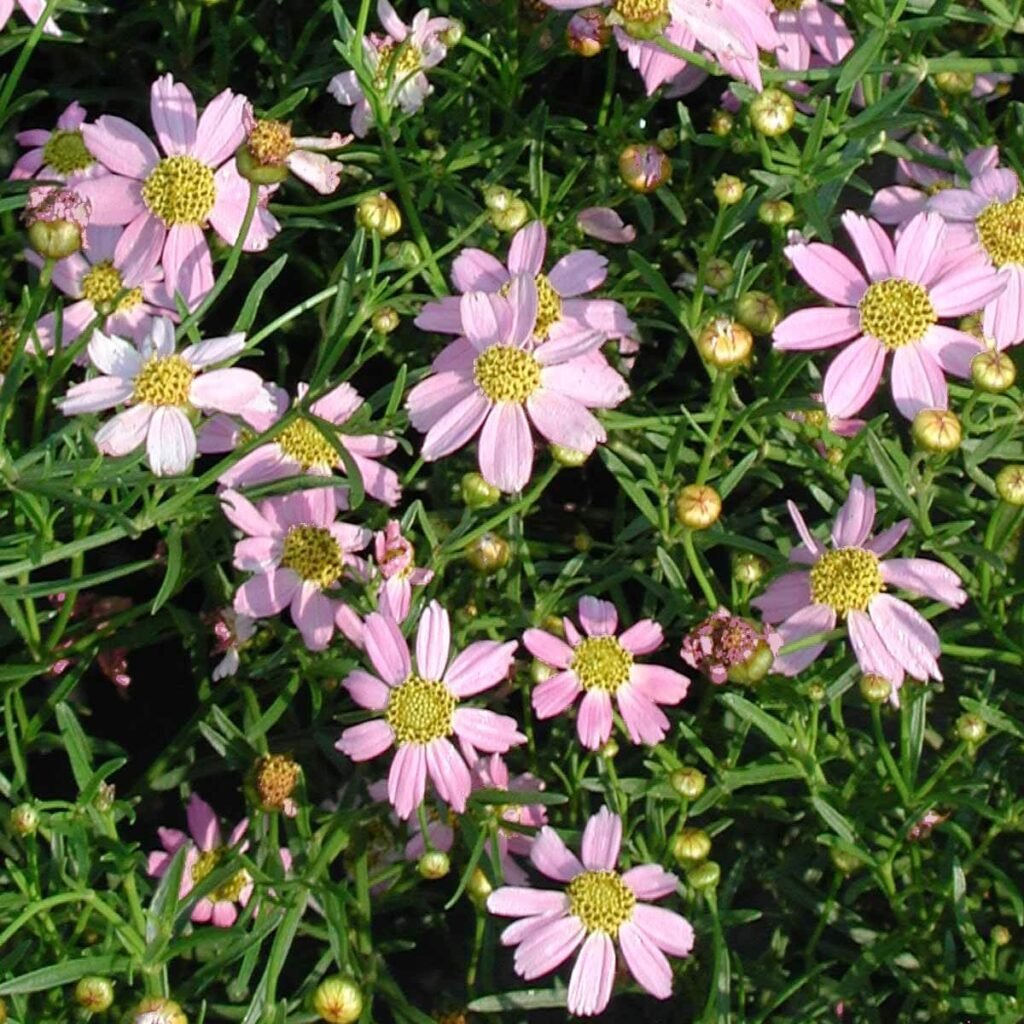
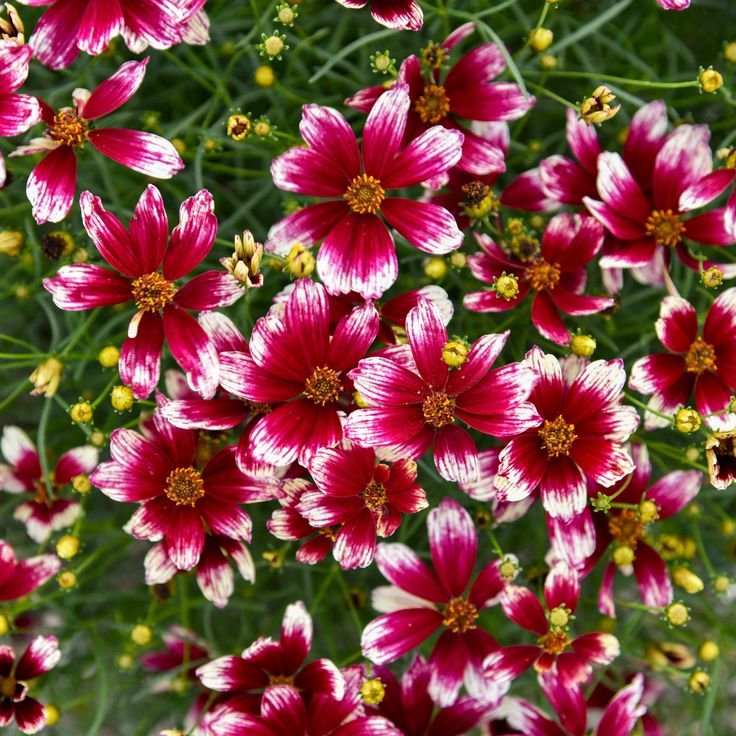
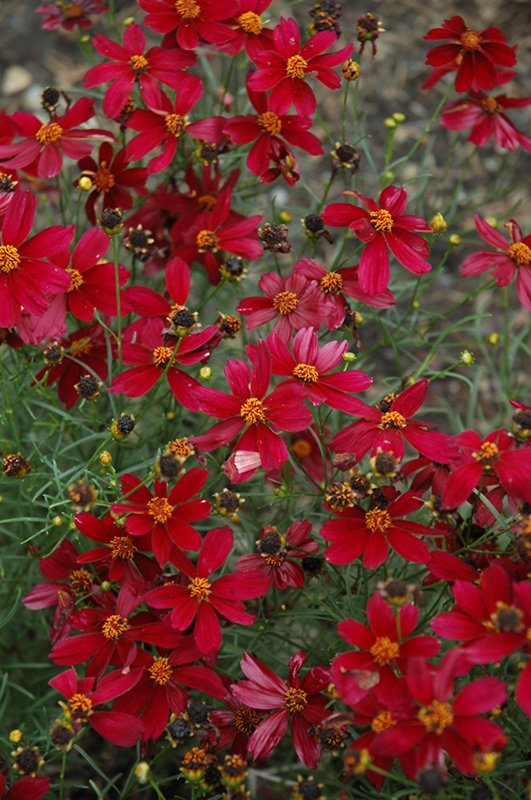
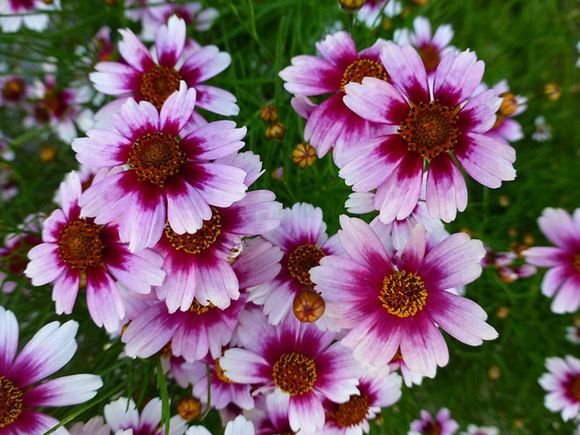
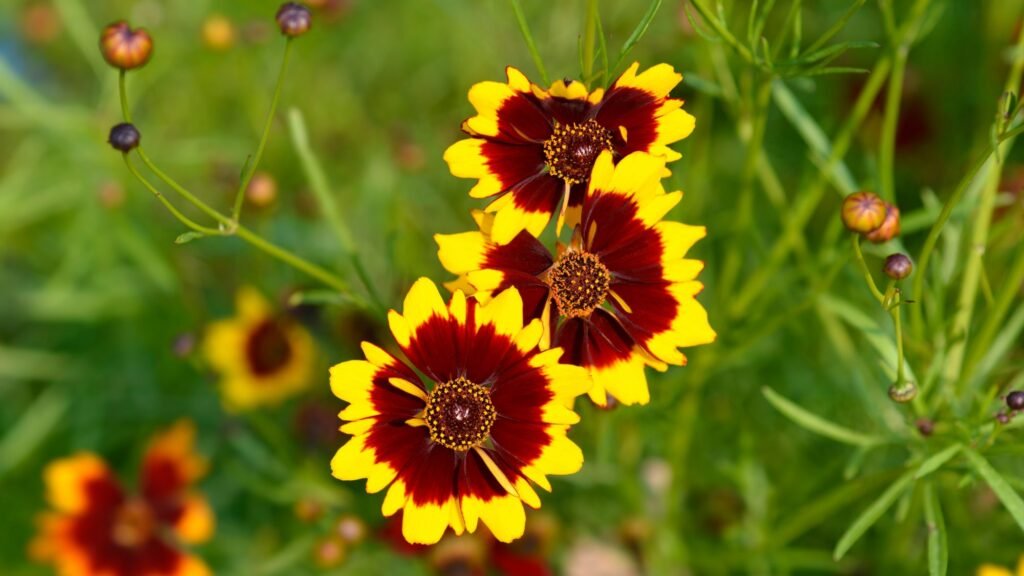
The blooms are usually yellow with darker centers, but newer hybrids expand the palette to pink, red, and bi-colored varieties. Because they flower heavily, they’re an excellent choice for pollinator gardens, cottage borders, and naturalized meadows. Learning how to grow coreopsis can give you a dependable source of cut flowers and a low-maintenance way to brighten up your outdoor spaces.
Choosing the Right Variety
When planning how to grow coreopsis, it’s worth considering the type. Some are annuals, blooming for a single season, while others are hardy perennials that return for years.
- Annual coreopsis – Often grown for a single, dramatic season of bloom. They reseed easily and can naturalize in a garden.
- Perennial coreopsis – Hardy, cold-tolerant, and able to live for several years with proper care.
Popular varieties include:
- Coreopsis grandiflora – Classic bright yellow blooms, very hardy.
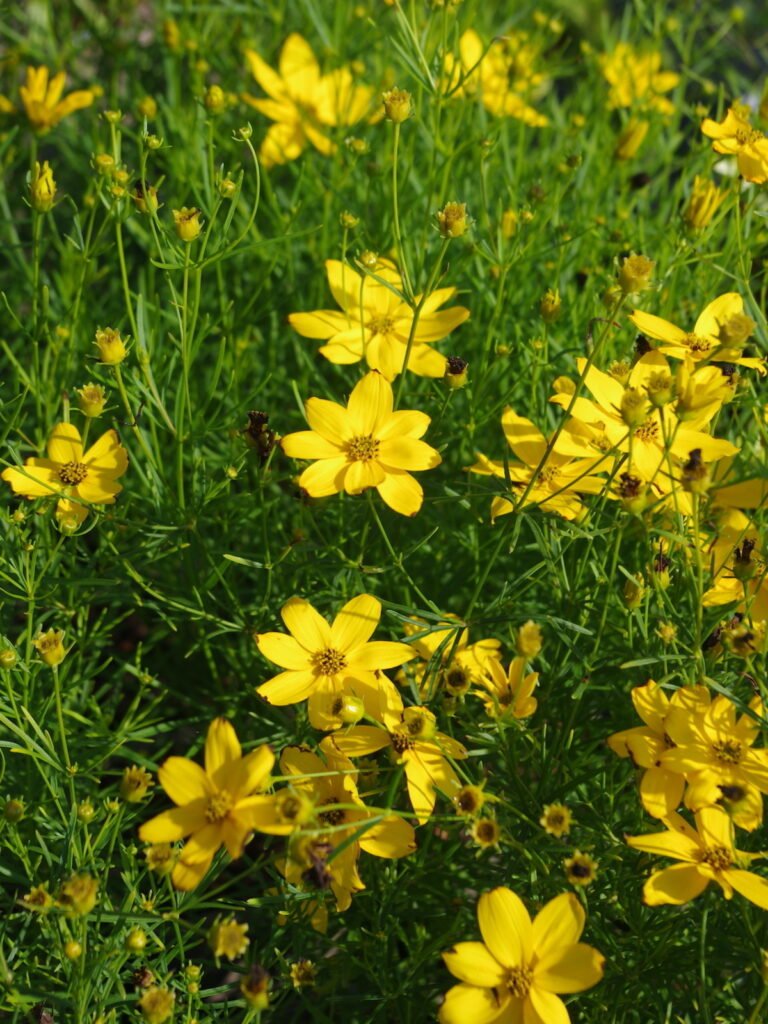
- Coreopsis verticillata – Fine, thread-like leaves with long-lasting yellow flowers.
- Coreopsis rosea – A rare pink-flowering species.
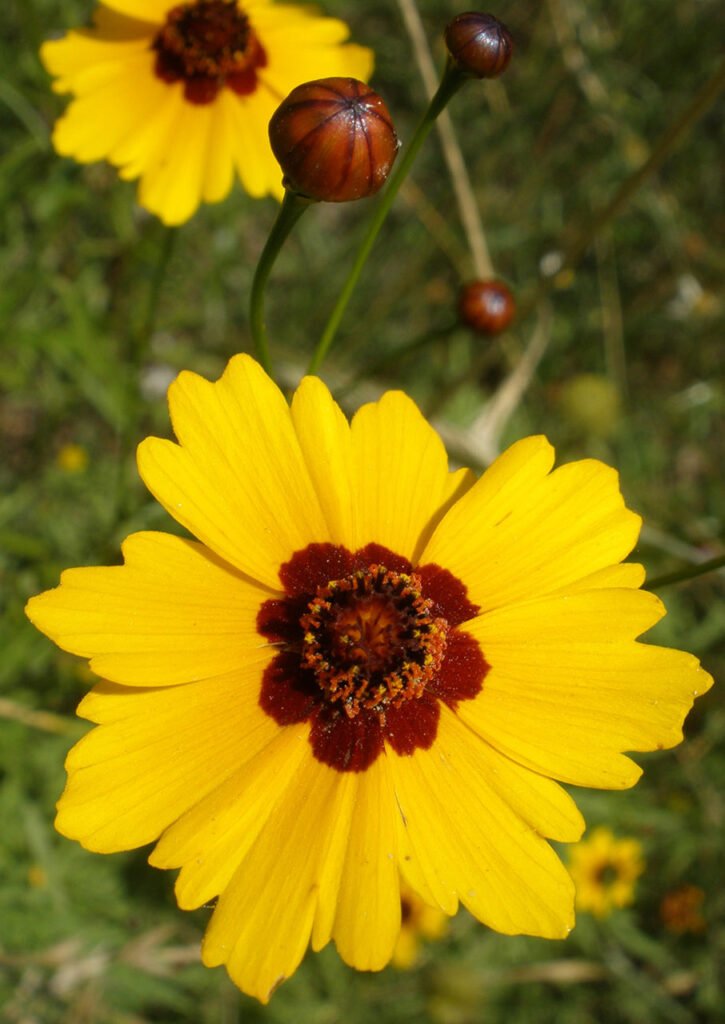
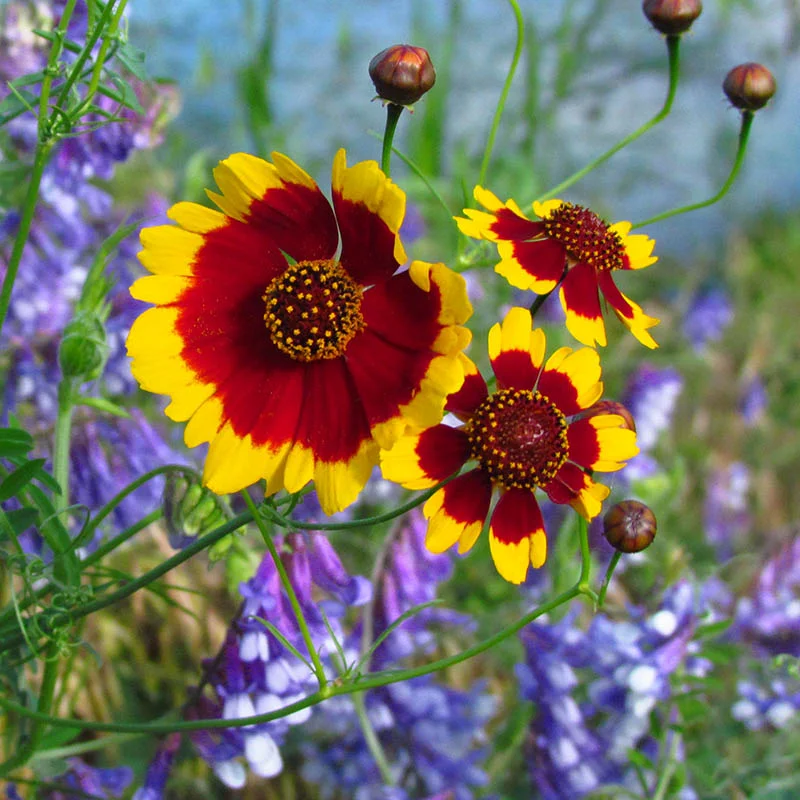
- Coreopsis tinctoria – Known as plains coreopsis, featuring bicolor yellow-and-red blooms.
When deciding how to grow coreopsis, choose a variety that matches your climate and the look you want in your garden.
Planting Coreopsis
When to Plant
If you’re wondering when to start, timing is key. The best time to plant perennial coreopsis is either in spring or fall. Planting in spring gives roots plenty of time to settle before the heat of summer, while fall planting allows them to establish before winter sets in. Both options help ensure a stronger, healthier plant the following growing season. For annual varieties, wait until the danger of frost has completely passed in spring before sowing or transplanting outdoors.
Where to Plant
Location makes a big difference when learning how to grow coreopsis successfully. These flowers thrive in full sun, needing at least six hours of direct light per day. While they can tolerate partial shade, too little sunlight will often lead to leggy growth and fewer blooms. If you want a long-lasting display of flowers, choose a bright, open space where they can soak up the sun.
Soil Preparation
One of the reasons how to grow coreopsis is considered easy is because the plant isn’t very demanding when it comes to soil. In fact, it does better in leaner conditions. Coreopsis adapts well to sandy or rocky soil as long as drainage is good. Overly rich soil may cause floppy stems and excessive foliage growth at the expense of flowers. For best results, aim for a neutral to slightly acidic soil with a pH between 6.0 and 7.0.
Before planting, take the time to loosen the soil so roots can spread easily. If your ground is compacted, mix in some compost to improve aeration and structure. Avoid heavy clay unless amended with organic matter or sand to improve drainage. Giving your coreopsis a well-prepared foundation ensures vigorous growth and a longer bloom season.
How to Grow Coreopsis: Step-by-Step
- Dig a hole twice as wide as the plant’s container.
- Remove the plant gently from its pot, loosening the roots if they are tightly bound.
- Place the plant at the same depth it was growing in its container.
- Backfill with soil and firm it gently.
- Water well after planting to help the roots settle.
For annuals started from seed, sow them directly into the garden after frost danger has passed, or start indoors 4–6 weeks before transplanting.
Watering Needs
Once established, coreopsis is drought-tolerant. However, young plants benefit from consistent moisture as their roots grow. Water newly planted coreopsis regularly for the first month. Afterward, water only during prolonged dry spells.
When learning how to grow coreopsis, remember that too much water can harm the plant. Always allow the soil to dry slightly between waterings. Overwatering can lead to root rot, especially in poorly drained soil.
Fertilizing Coreopsis
Coreopsis doesn’t need much fertilizer. Too much nitrogen can cause leafy growth at the expense of flowers. A light application of compost in spring is usually enough. If you prefer, a balanced slow-release fertilizer (10-10-10) applied in spring can support healthy blooming. Avoid overfeeding, which makes plants leggy.
Pruning and Deadheading
Deadheading is key when it comes to how to grow coreopsis for continuous blooms. By removing spent flowers, you encourage the plant to produce more. Cut flower stems just above a set of leaves.
In midsummer, if plants start to look tired or leggy, shear them back by one-third. This rejuvenates growth and triggers another flush of flowers later in the season.
At the end of the growing season, perennial varieties can be cut back to the ground after the first frost. Mulch lightly to protect roots over winter.
Overwintering Coreopsis
Perennial coreopsis is hardy in USDA zones 4–9, depending on the variety. In colder areas, mulch around the crown in late fall to protect roots from freeze-thaw cycles. Annual varieties usually die back after frost, but they often reseed themselves for the following spring.
If you want continuous displays, collect seeds from fading blooms in autumn and store them in a cool, dry place for spring planting.
Pests and Diseases
One of the biggest benefits of learning how to grow coreopsis is that these plants rarely suffer from serious problems. Still, a few pests and diseases may appear:
- Aphids – Small sap-sucking insects. Wash off with water or apply insecticidal soap.
- Slugs and snails – Can damage young plants. Use traps or barriers if needed.
- Powdery mildew – Appears in humid conditions. Ensure good airflow and avoid overhead watering.
- Crown rot – Caused by poorly drained soil. Prevent by planting in well-drained locations.
With proper site selection and minimal care, coreopsis remains one of the least troublesome perennials.
Propagating Coreopsis
If you want more plants, you can propagate coreopsis through division, seed, or cuttings.
- Division – Every 2–3 years, dig up clumps in early spring or fall and separate them. This not only produces new plants but also keeps older clumps vigorous.
- Seed – Allow some blooms to go to seed. Scatter seeds in fall for natural reseeding, or collect them for controlled planting.
- Cuttings – Take softwood cuttings in spring and root them in a moist, sandy mix.
Propagation is a great way to expand your garden and share plants with friends.
Using Coreopsis in the Garden
Coreopsis shines in many settings thanks to its long bloom time and easy nature. Plant it in:
- Borders – Bright flowers stand out in mixed perennial beds.
- Pollinator gardens – Attracts bees, butterflies, and beneficial insects.
- Cottage gardens – Combines beautifully with phlox, daisies, and lavender.
- Wildflower meadows – Perfect for naturalized plantings.
- Containers – Compact varieties grow well in pots with good drainage.
Because it blooms for months, coreopsis acts as a bridge between early and late-season flowers, ensuring continuous color.
Common Questions About How to Grow Coreopsis
Is coreopsis invasive?
Some varieties self-seed aggressively, but they are easy to control by deadheading or dividing.
Do I need to stake coreopsis?
Most varieties are self-supporting. Taller species may flop in rich soil but rarely need staking.
How long does coreopsis live?
Perennial types usually live three to five years. Dividing them regularly keeps them healthy.
Can I grow coreopsis indoors?
It prefers outdoor conditions with full sun, but you can start seeds indoors before transplanting.
If you’re looking for a hardy, colorful, and easy-care flower, coreopsis checks all the boxes. Once you know how to grow coreopsis, you’ll see why it’s a garden favorite. With little more than full sun, well-drained soil, and occasional deadheading, this cheerful plant rewards you with months of blooms and a steady stream of pollinators.
Whether you’re filling borders, brightening a meadow, or adding life to containers, coreopsis is a plant that delivers beauty with very little fuss.


