
Companion planting for fall is one of the most effective ways to boost productivity in your garden while maintaining healthy soil and plants during the cooler months. Fall gardening can be challenging due to shorter days, fluctuating temperatures, and the threat of early frost. By carefully pairing plants, gardeners can naturally deter pests, improve nutrient uptake, and extend the growing season.
Whether you’re a seasoned gardener or a beginner, learning the principles of companion planting for fall can make your fall garden more resilient and productive. This guide will explore the best plant pairings, tips for creating thriving garden beds, and strategies to protect your crops during fall’s unpredictable weather. By the end, you’ll have a comprehensive understanding of how companion planting for fall can transform your seasonal garden into a thriving, low-maintenance ecosystem.
What Is Companion Planting?
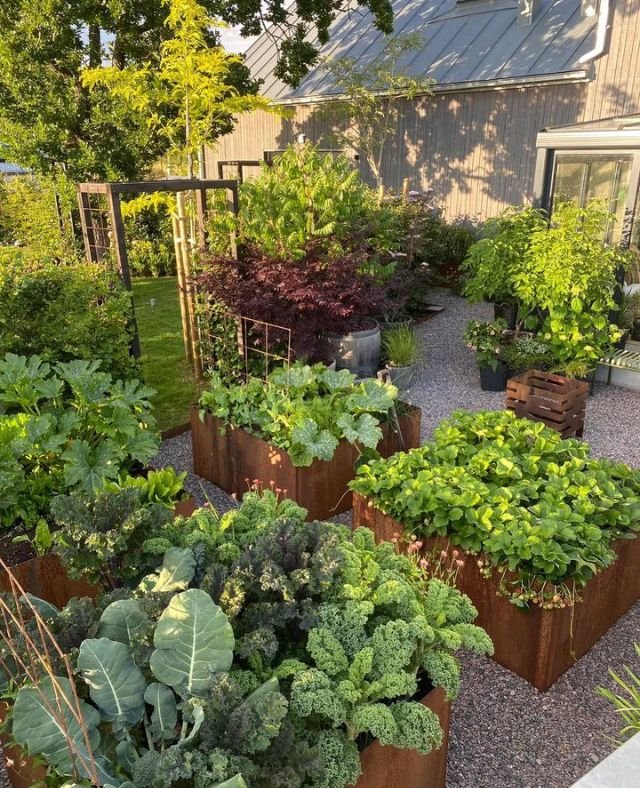
Companion planting for fall is the practice of strategically planting different crops near each other to benefit growth, flavor, pest resistance, or soil health. Some plants naturally repel pests, while others provide shade, support, or nutrient enrichment for nearby crops. The goal is to create a mutually beneficial garden environment.
For example, planting leafy greens like spinach and lettuce near herbs like cilantro or chives is a classic method of companion planting, as the herbs help deter common pests. Similarly, root vegetables like carrots grow well next to onions because they keep each other safe from harmful insects. Understanding these relationships is key to successful companion planting for fall gardens.
Benefits of Companion Planting for Fall
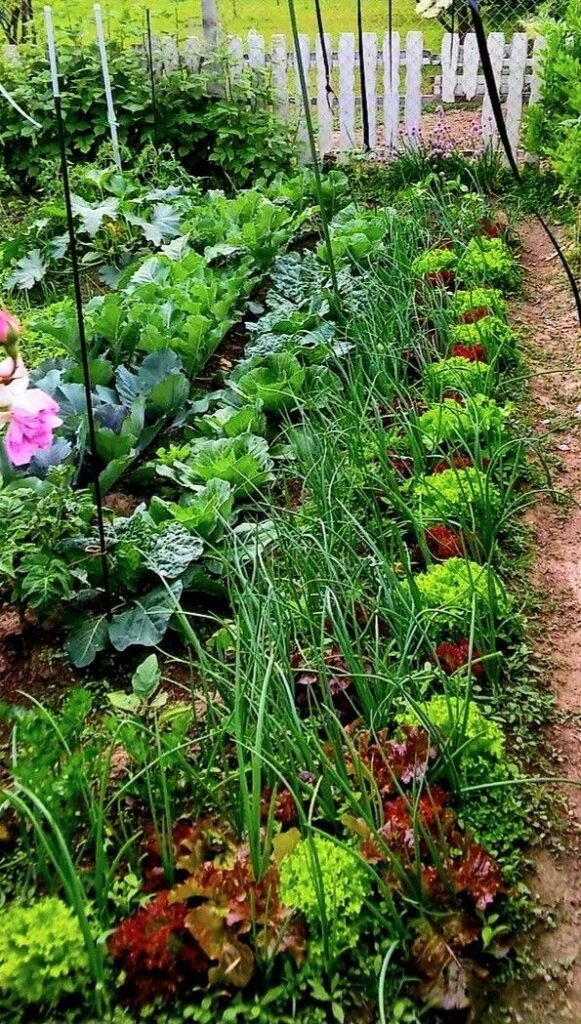
Pest control is one of the primary advantages of companion planting for fall gardens. Certain plants naturally repel harmful insects, reducing the need for chemical pesticides and helping your garden remain healthy and sustainable. For example, planting garlic near kale can deter aphids, while marigolds planted near leafy greens keep nematodes and whiteflies away. Strategically arranging crops in this way allows you to protect vulnerable plants and maintain a balanced garden ecosystem.
Another key benefit is soil enrichment. Legumes such as peas or beans have the unique ability to fix nitrogen in the soil, providing essential nutrients for nearby leafy greens and root vegetables. This natural fertilization improves overall soil fertility, encourages stronger plant growth, and reduces the need for synthetic fertilizers.
Space optimization is also important. Tall crops like kale, broccoli, or cauliflower can provide shade for lower-growing plants like spinach or lettuce. This not only maximizes vertical space but also protects delicate crops from frost and harsh winds.
Companion planting also enhances flavor and extended harvests. Herbs such as basil, parsley, or cilantro can boost the taste of vegetables, while carefully timed crop pairings allow for staggered harvests, keeping your fall garden productive for weeks. Using these strategies ensures a healthy, abundant, and well-organized garden.
Using companion planting for fall, gardeners can naturally protect plants, improve yields, and create a balanced garden ecosystem.
Top Companion Planting Pairings for Fall Gardens
Leafy Greens
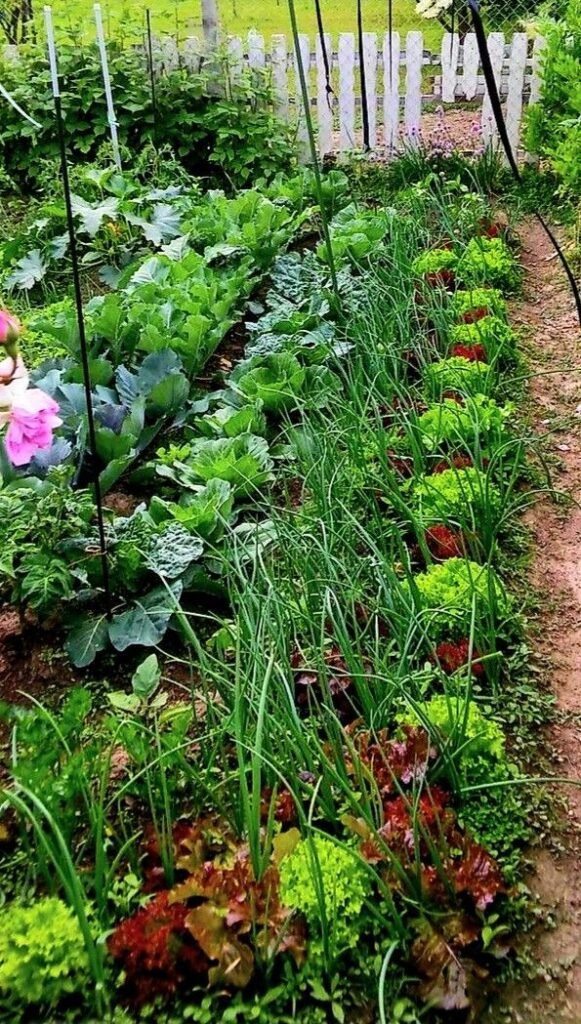
Using strategic plant pairings is one of the most effective ways to maximize your fall garden’s health and productivity. Spinach and radishes are a classic example of companion planting for fall. Radishes naturally repel leaf miners, which are common pests that can damage spinach leaves. Planting them together ensures that your spinach remains healthy while radishes grow quickly, providing both a protective and productive combination.
Another successful pairing is lettuce and carrots. Carrots help loosen the soil as their roots grow deep, creating better conditions for lettuce roots to spread and access nutrients. Meanwhile, lettuce grows above ground and shades the soil, helping retain moisture and keeping the soil cool for the carrots. This partnership allows both crops to thrive in the same space without competing for resources.
Kale paired with garlic or chives is another example of effective companion planting for fall gardens. The strong aroma of garlic and chives deters aphids and other common pests that target kale leaves, reducing the need for chemical interventions.
By thoughtfully combining plants like these, you can naturally protect crops, improve growth, and optimize space in your fall garden. Companion planting for fall not only boosts productivity but also promotes a balanced, healthy, and resilient garden ecosystem.
Root Vegetables
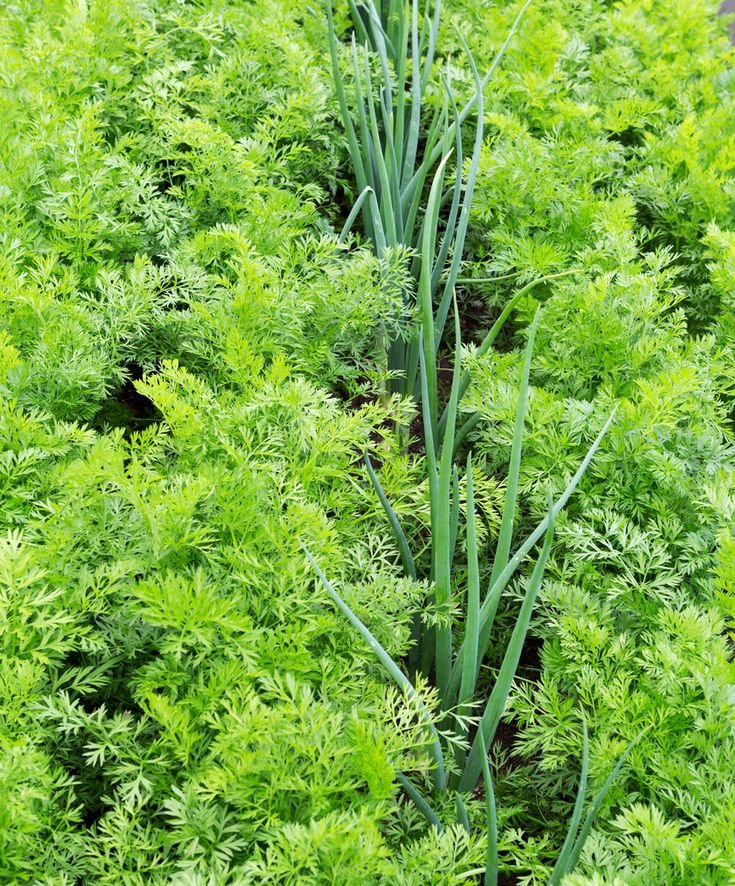
Root vegetables respond exceptionally well to companion planting for fall, as careful pairings can protect crops from pests, improve soil health, and maximize space. One of the most effective combinations is carrots and onions. Onions naturally repel carrot flies, which are notorious for damaging carrot roots. Planting these two together creates a protective barrier, allowing carrots to grow healthy and strong throughout the fall season. This pairing is not only practical but also easy to implement in any raised bed or garden plot.
Another excellent combination is beets and lettuce. Beets grow primarily underground, while lettuce spreads above the soil. Because they occupy different spaces, they don’t compete for sunlight or nutrients, allowing both crops to flourish. This makes beets and lettuce an ideal pairing for gardeners looking to maximize productivity in limited space while keeping plants healthy.
Turnips and peas are also highly beneficial for companion planting for fall. Peas, being legumes, naturally fix nitrogen in the soil, enriching it for nutrient-demanding crops like turnips. This boosts growth and helps turnips develop strong, flavorful roots.
By using these thoughtful pairings of root vegetables, gardeners can protect crops, enhance soil fertility, and create a more productive and resilient fall garden through companion planting for fall.
Herbs
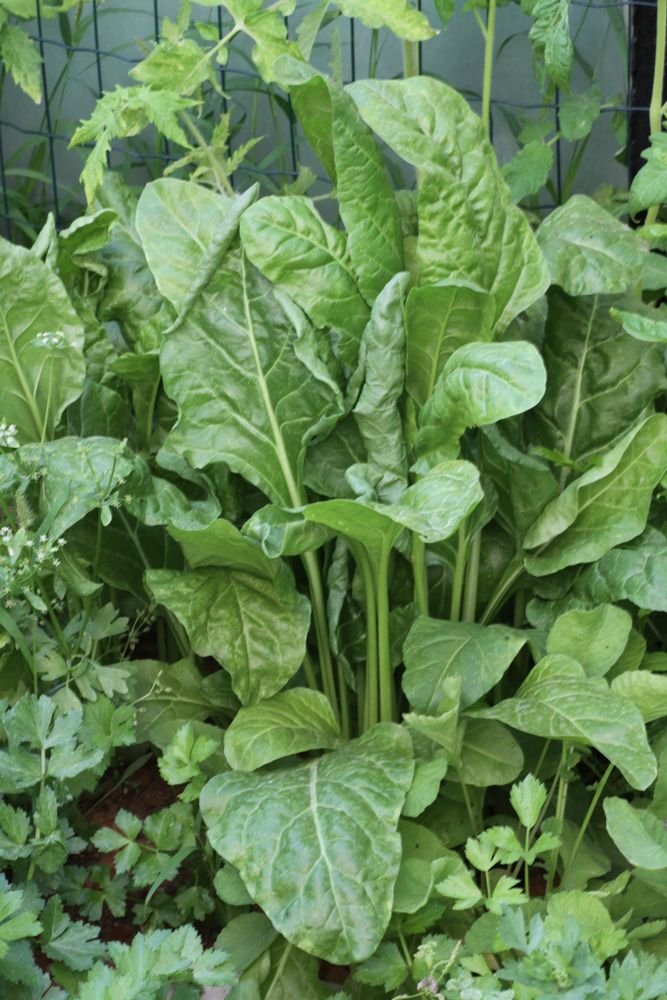
Herbs play a vital role in companion planting for fall, providing both pest control and flavor enhancement for nearby vegetables. One classic pairing is parsley and tomatoes. While this combination is more commonly associated with summer gardens, parsley can thrive alongside cold-hardy tomatoes in early fall. The strong scent of parsley may help deter certain pests, while its leafy growth provides subtle ground cover, helping maintain soil moisture around the tomato roots. This partnership supports healthy, productive plants during the cooler months.
Another effective pairing is cilantro and spinach. Cilantro is a natural pest deterrent, repelling aphids and other soft-bodied insects that commonly attack spinach leaves. By planting these two together, gardeners can reduce the need for chemical pest control while ensuring that spinach remains vibrant and productive throughout fall.
Thyme and brassicas such as cabbage, broccoli, or kale also make an excellent combination. Thyme emits aromatic compounds that help keep cabbage worms and other pests away from brassicas, protecting the crops from damage and boosting overall yield. Its low-growing habit also acts as a living mulch, conserving soil moisture and suppressing weeds.
By incorporating herbs like parsley, cilantro, and thyme into your fall garden, you can naturally enhance pest resistance, improve flavor, and promote healthy growth. Thoughtful companion planting for fall with herbs ensures a more balanced, resilient, and productive garden.
Other Effective Fall Combinations
In addition to leafy greens, root vegetables, and herbs, several other plant combinations work exceptionally well in companion planting for fall gardens. These pairings help protect crops, improve soil conditions, and maximize space, ensuring a healthy, productive harvest.
One classic example is broccoli and beets. Broccoli grows tall and sturdy, providing a natural shield for beets from cold winds and early fall frosts. This protective canopy allows beets to continue developing strong roots even as temperatures drop. Meanwhile, beets occupy the lower soil layers, making efficient use of the garden space without competing with broccoli for sunlight or nutrients.
Another beneficial pairing is cauliflower and celery. Celery grows close to the ground and helps retain soil moisture, which is essential for cauliflower development. Additionally, celery can act as a mild pest deterrent, protecting cauliflower from certain insects that might otherwise damage the crop. Together, they form a mutually supportive pairing that strengthens the garden’s overall resilience during fall.
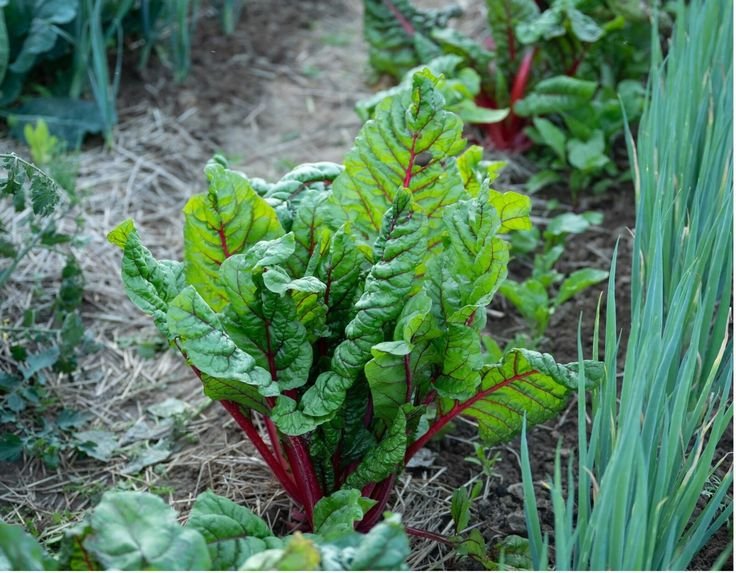
Swiss chard and onions are also highly effective when planted together. Onions naturally repel leaf miners and other common pests, keeping chard leaves healthy and free from damage. This simple pairing demonstrates how companion planting for fall can reduce the need for chemical interventions while boosting crop productivity.
By combining these crops thoughtfully, gardeners can optimize space, improve soil health, and protect plants from environmental stressors. Effective companion planting for fall ensures a thriving, balanced garden even as the season grows colder.
| Main Crop | Companion Crop(s) | Benefit/Reason |
|---|---|---|
| Spinach | Radishes | Radishes repel leaf miners that attack spinach. |
| Lettuce | Carrots | Carrots loosen soil; lettuce shades the soil. |
| Kale | Garlic, Chives | Garlic and chives deter aphids. |
| Carrots | Onions | Onions repel carrot flies. |
| Beets | Lettuce | Beets don’t compete for above-ground space. |
| Turnips | Peas | Peas add nitrogen to the soil. |
| Parsley | Tomatoes | Supports tomato growth; may deter pests. |
| Cilantro | Spinach | Deters aphids and soft-bodied pests. |
| Thyme | Brassicas | Keeps cabbage worms and other pests away. |
| Broccoli | Beets | Broccoli shields beets from wind and frost. |
| Cauliflower | Celery | Celery improves soil moisture; deters pests. |
| Swiss Chard | Onions | Onions repel leaf miners. |
Tips for Implementing Companion Planting for Fall
- Plan Your Garden Layout – Map out your beds so that plants with mutual benefits are near each other.
- Mix Plant Types – Combine leafy greens, roots, and herbs to optimize space and soil use.
- Consider Microclimates – Plant taller crops to shade frost-sensitive plants while using ground cover crops to retain soil warmth.
- Use Natural Barriers – Some companion plants can act as windbreaks or pest deterrents. For example, marigolds planted around kale repel nematodes and insects.
- Rotate Crops Annually – Avoid planting the same crops in the same spots each year to prevent soil-borne diseases, even when using companion planting for fall techniques.
Managing Pests with Companion Planting
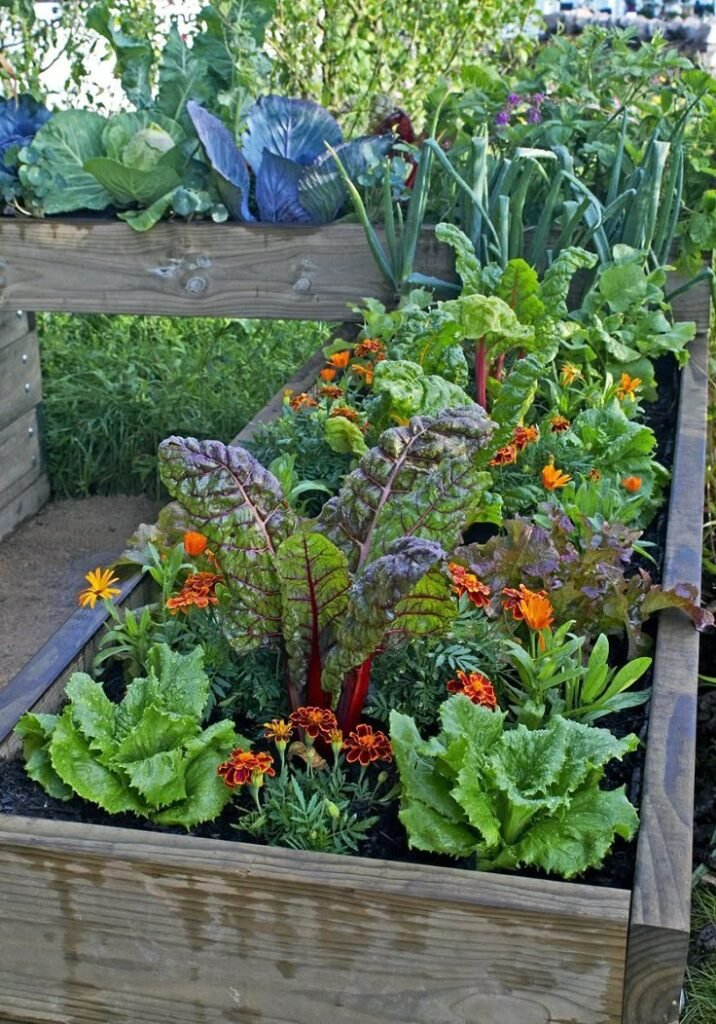
One of the most significant advantages of companion planting for fall is pest management. Certain herbs, flowers, and vegetables naturally repel insects, reducing the need for chemical treatments. For instance:
- Garlic, onions, and chives – Keep aphids and carrot flies away.
- Marigolds – Repel nematodes and whiteflies.
- Cilantro and parsley – Deter aphids, slugs, and other soft-bodied insects.
By strategically placing these plants, you can protect more vulnerable crops, creating a balanced ecosystem that thrives throughout fall and into winter.
Soil Health and Nutrient Benefits
Using companion planting for fall, you can also improve soil health naturally. Legumes such as peas and beans fix nitrogen, enriching the soil for leafy greens and root vegetables. Deep-rooted crops like carrots or parsnips help aerate the soil, while ground-covering plants reduce erosion and moisture loss.
This approach ensures that your garden remains fertile, healthy, and productive during the fall months, allowing for a strong spring start.
Advanced Companion Planting Techniques
- Succession Planting – Grow fast-maturing crops alongside slower-growing plants to maximize space.
- Vertical Companion Planting – Use trellises for peas or beans next to low-growing crops like spinach or lettuce.
- Intercropping – Mix different crop families in the same bed to naturally deter pests and improve nutrient cycling.
Implementing these techniques enhances the effectiveness of companion planting for fall.
Planning Your Fall Garden
Start by selecting cold-hardy crops and mapping their companions. Ensure each plant has enough sunlight, water, and space. Use raised beds or containers to optimize soil drainage and fertility. By carefully planning your garden layout and considering companion planting for fall principles, you can create a low-maintenance, high-yield garden.
Common Mistakes to Avoid
- Ignoring Plant Compatibility – Not all plants benefit from being near each other. Research pairings carefully.
- Overcrowding Beds – Too many plants compete for light and nutrients, reducing yields.
- Neglecting Soil Prep – Even companion planting needs fertile, well-drained soil.
- Skipping Pest Observation – Companion planting helps but doesn’t eliminate all pest problems.
- Failing to Rotate Crops – Rotation prevents soil-borne diseases and keeps companion planting effective.
Avoiding these mistakes ensures your fall garden thrives and that your companion planting for fall strategies work effectively.
Conclusion
Companion planting for fall is a natural, effective, and low-maintenance method to boost your garden’s productivity during the cooler months. By carefully pairing vegetables, herbs, and flowers, you can deter pests, improve soil health, extend your harvest, and enjoy fresh produce all fall long.
With the tips, plant pairings, and techniques outlined here, you can create a thriving, balanced fall garden. Implement companion planting for fall, plan your layout, and maintain healthy soil, and your garden will remain productive well into winter. By investing in smart planting strategies, you’ll maximize your harvest, protect your crops, and enjoy a sustainable, low-stress gardening season.


