
Cover crops for fall and winter gardens can work wonders while your garden rests. After summer’s harvest, many gardeners leave beds bare, thinking the soil is taking a break. But bare soil is vulnerable—it can lose valuable nutrients, become compacted from rain or frost, and give weeds the perfect opportunity to take over. That’s where cover crops come in.
Also called “green manure,” cover crops aren’t grown to eat—they’re grown to nurture and protect the soil. They act like a living blanket, shielding garden beds from erosion, holding nutrients in place, and keeping weeds under control. Certain cover crops, like clover or peas, even fix nitrogen, naturally enriching the soil for spring planting.
Planting cover crops in fall and winter is a simple, effective way to care for your garden year-round. While it might look quiet above ground, below the surface your soil is busy improving itself. By selecting the right cover crops, you can protect your garden through cold months and prepare fertile, healthy beds for stronger, more productive plants when spring arrives.
Why Cover Crops Matter in Fall and Winter
It’s easy to think of gardening as a spring-to-summer activity, but your soil never truly takes a break. Leaving it bare during the colder months can set you back before the season even begins. Here’s why fall and winter cover crops are so valuable:
- Soil protection: Heavy rain, wind, and snow can strip away topsoil. Cover crops act as a shield.
- Nutrient savings: Instead of nutrients leaching away, roots capture and recycle them.
- Weed control: A living cover blocks weeds from taking over.
- Improved fertility: Legumes add nitrogen, reducing the need for fertilizers.
- Better structure: Roots create natural channels that improve drainage and aeration.
In other words, cover crops are like free labor for your garden. They do the work in fall and winter so you can enjoy healthier, more productive beds in spring.
1. Winter Rye
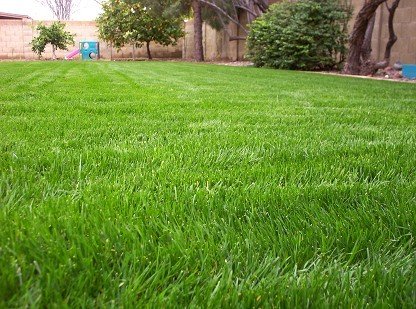
Winter rye is one of the hardiest and most reliable cover crops for fall and winter. It grows quickly, tolerates poor soil, and survives freezing temperatures with ease. Rye forms a thick mat that protects the soil from erosion and suppresses weeds all winter.
Its deep roots improve soil structure, while the above-ground growth adds organic matter when tilled under in spring. Plant winter rye in late summer or early fall to give it time to establish before frost. By spring, your garden will have fertile, healthy beds thanks to cover crops for fall and winter like rye.
2. Crimson Clover

Crimson clover is a vibrant, nitrogen-fixing legume and one of the best cover crops for fall gardens. Its deep roots improve soil structure, while the leafy growth protects the ground from erosion and suppresses weeds. If allowed to bloom in spring, crimson clover also attracts pollinators, boosting your garden’s ecosystem.
Plant it six to eight weeks before the first frost in well-drained soil. Mow or till it before seed formation to prevent unwanted reseeding. As it decomposes, crimson clover adds organic matter, enriching your soil for spring planting. Combining beauty and function, it’s easy to see why gardeners include crimson clover among the best cover crops for fall.
3. Hairy Vetch
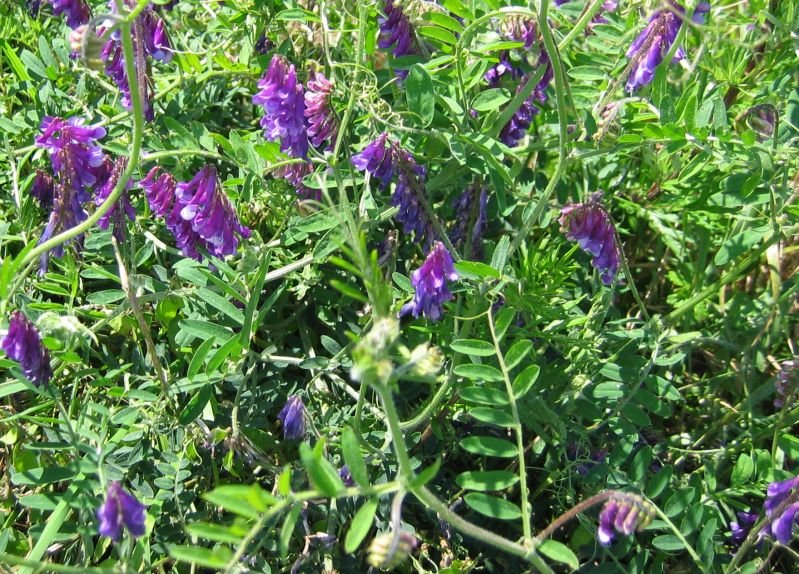
Hairy vetch is a hardy legume that’s perfect for cover crops for fall and winter gardens. It grows as a trailing vine, forming a dense mat that suppresses weeds and protects soil. Its nitrogen-fixing ability naturally boosts soil fertility for the next growing season.
Plant hairy vetch in early fall, ideally with rye. Mow or till before flowering to prevent reseeding. The decomposed plant adds organic matter and improves soil structure, making hairy vetch one of the most effective cover crops for fall and winter.
4. Winter Wheat
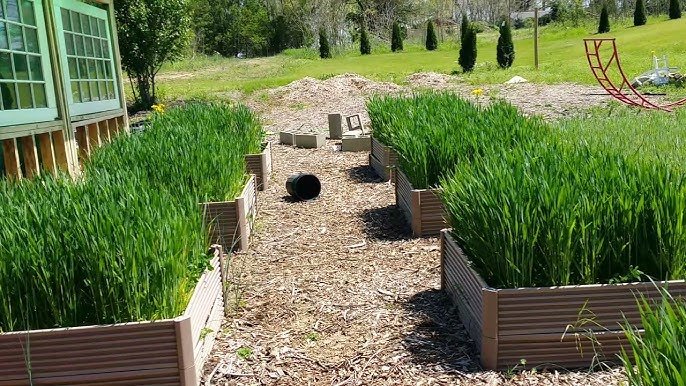
Winter wheat is another excellent choice for cover crops for fall and winter. It grows quickly, forms dense foliage to prevent erosion, and improves soil structure with its roots. The plant material adds nutrients when tilled under in spring.
Plant winter wheat six weeks before frost to establish strong growth. It’s reliable for winter protection, contributing to richer, healthier soil—one of the key benefits of cover crops for fall and winter.
5. Austrian Winter Peas
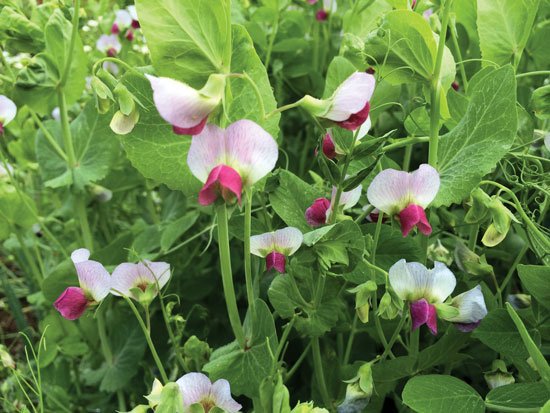
Austrian winter peas are legumes that fix nitrogen and add soft green coverage to garden beds, making them valuable cover crops for fall and winter. They suppress weeds, protect soil, and improve fertility for spring planting.
Plant peas in late summer or early fall and allow them to grow until frost. Their leafy biomass decomposes quickly, enriching soil structure and nutrients, showing why Austrian winter peas are a top choice among cover crops for fall and winter.
6. Field Peas
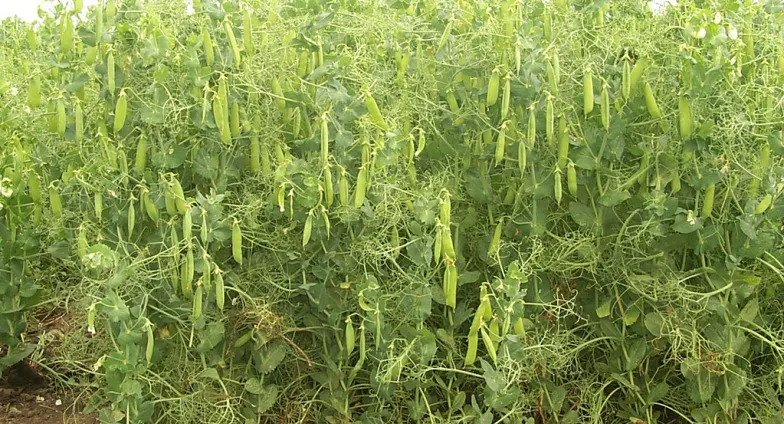
Field peas are cold-hardy legumes that work well as cover crops for fall and winter. Their roots dig deep, loosening compacted soil, while foliage protects against erosion.
Plant them in early fall, optionally with grains for extra support. Mow or till before seed set to decompose foliage and improve soil fertility. Field peas are reliable, low-maintenance cover crops for fall and winter.
7. Barley
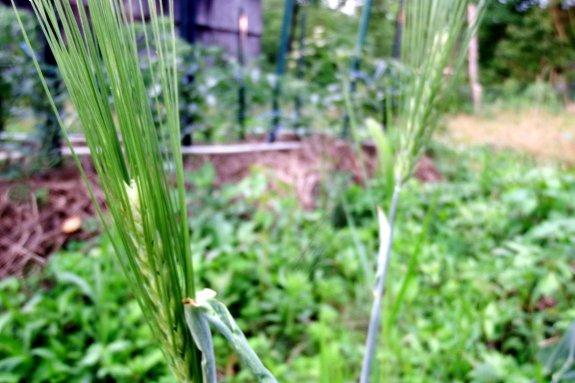
Barley is a fast-growing grain that protects soil, making it a popular cover crop for fall and winter. Its thick leaves shield the soil from wind and rain, while roots improve structure and drainage.
Plant barley in early fall for establishment before frost. Though less hardy than rye, it decomposes easily and leaves nutrient-rich soil behind, making barley a practical cover crop for fall and winter.
8. Mustard Greens
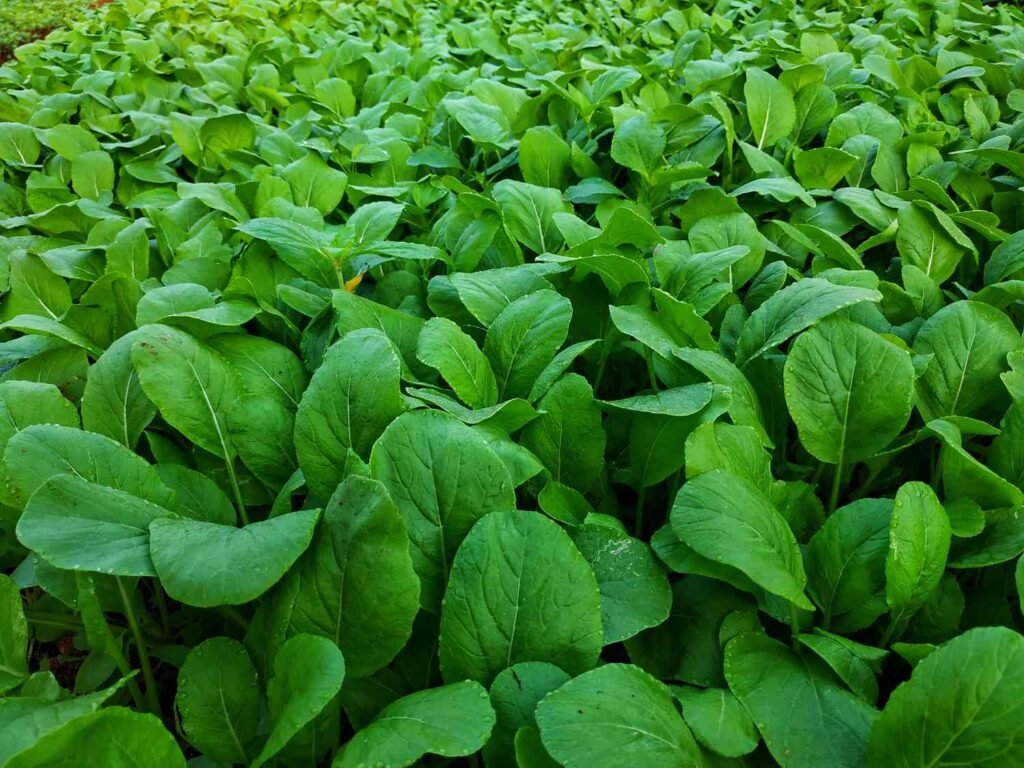
Mustard greens are surprisingly effective as cover crops for fall and winter. They grow quickly, protect soil, suppress weeds, and act as a natural biofumigant, reducing soil-borne pests and diseases.
Sow after summer harvest and cut before seed pods form. The decomposed foliage enriches soil and improves microbial activity, proving mustard is one of the most beneficial cover crops for fall and winter.
9. Oats
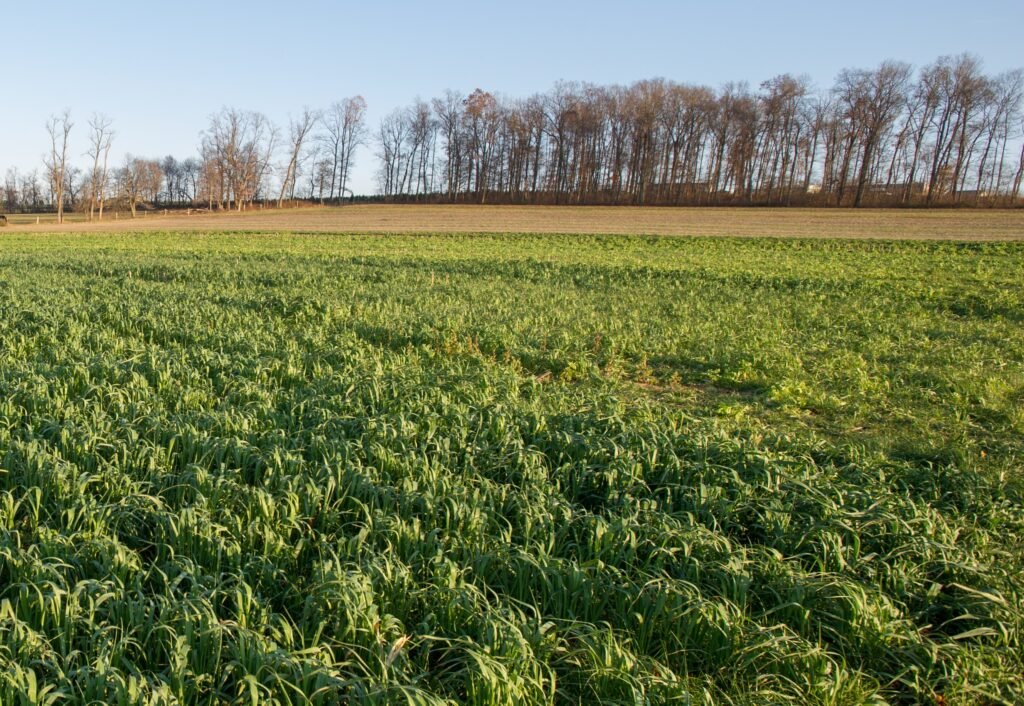
Oats are beginner-friendly and one of the easiest cover crops for fall and winter. They germinate quickly, form a protective mat, and naturally die back in cold temperatures, saving gardeners time in spring.
Oats leave a layer of organic matter that acts as mulch, conserving moisture and improving soil structure. Plant in late summer or early fall and let them grow. By spring, the decomposed residue leaves fertile soil, showing why oats are a top cover crop for fall and winter choice.
10. Radishes (Daikon or Tillage Radish)
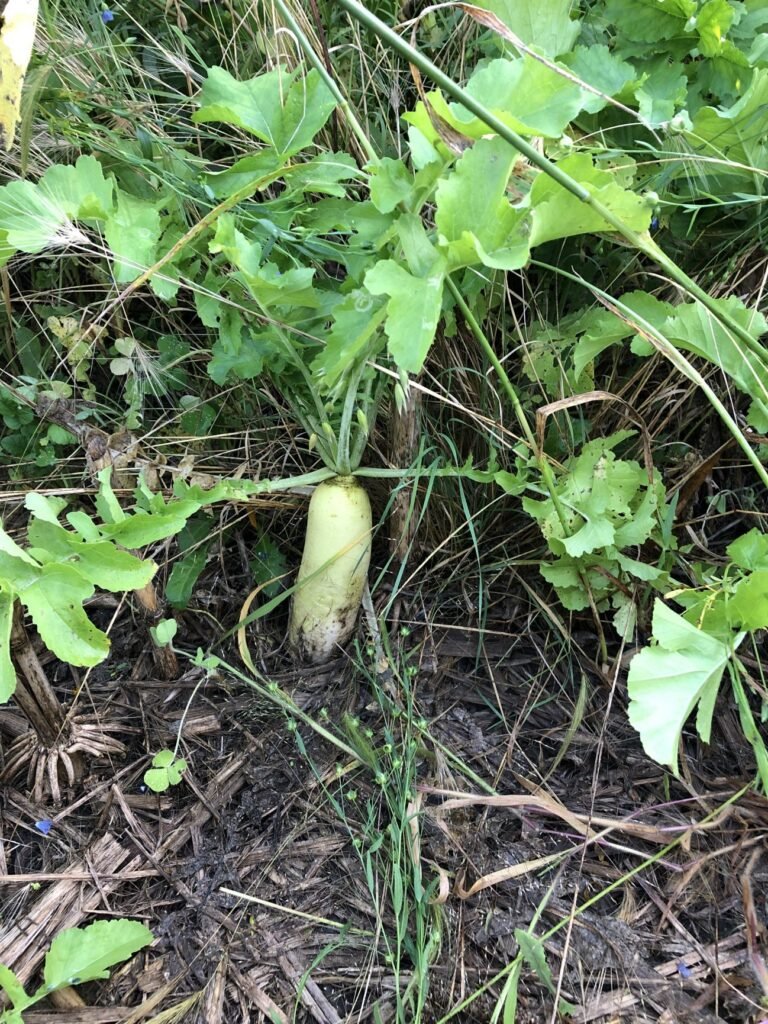
Radishes, especially tillage varieties, are unique among cover crops for fall and winter. Their long taproots penetrate compacted soil, improve drainage, and create channels for air and water.
Above ground, radishes protect soil and suppress weeds. Plant in late summer or early fall and allow them to grow until frost. Roots decompose in the soil, leaving it loose and nutrient-rich, making radishes an effective cover crop for fall and winter.
Choosing the Right Cover Crop
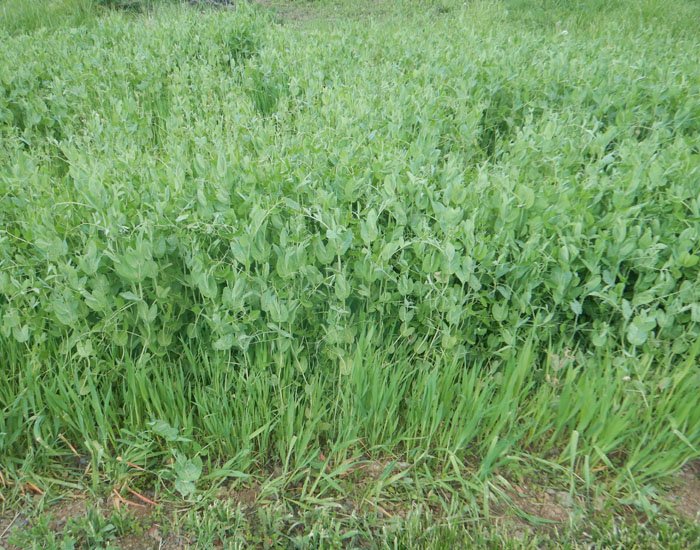
Not every garden has the same needs, which is why choosing the right cover crops for fall and winter is important. Legumes like clover, vetch, and peas add nitrogen, while grains like rye, oats, and barley protect against erosion. Radishes break up compacted soil, and climate matters: hardy crops like rye and vetch survive harsh winters, while clover and peas thrive in milder climates.
Mixing crops, such as rye and vetch, combines benefits, giving your soil protection, fertility, and improved structure. Selecting the right cover crops for fall and winter ensures your garden beds are productive and resilient, ready for spring planting.
If your main goal is nitrogen enrichment, legumes like clover, vetch, or peas are excellent choices. They naturally add nitrogen to the soil, improving fertility for next season’s vegetables. For gardens prone to erosion or bare patches, grains such as rye, oats, and barley provide quick coverage, protecting soil from wind and water. If you’re dealing with compacted soil, radishes—especially tillage varieties—can break up dense layers and improve drainage.
Climate is another factor to consider. In mild winters, clover, peas, and barley thrive, while in harsher regions, hardy crops like rye and hairy vetch are more reliable. Many gardeners combine crops, such as rye with vetch, to gain multiple benefits at once.
Planting and Managing Cover Crops
To get the best results from cover crops, timing and management matter.
- Plant on time: Aim for six to eight weeks before frost.
- Sow thickly: A dense stand suppresses weeds.
- Water if dry: Moist soil ensures good germination.
- Mow before seed set: Prevents unwanted reseeding.
- Incorporate early: Till or mow down two to three weeks before planting crops.
Conclusion
Cover crops are one of the easiest, most effective ways to keep your garden thriving year-round. Instead of leaving soil bare and vulnerable, you give it protection, nutrients, and structure—all while setting yourself up for a better harvest next season.
From hardy rye to nitrogen-rich clover and soil-busting radishes, there’s a cover crop for every garden and climate. By investing just a little effort in fall and winter, you’ll enjoy richer soil, healthier plants, and a garden that’s ready to flourish come spring.


