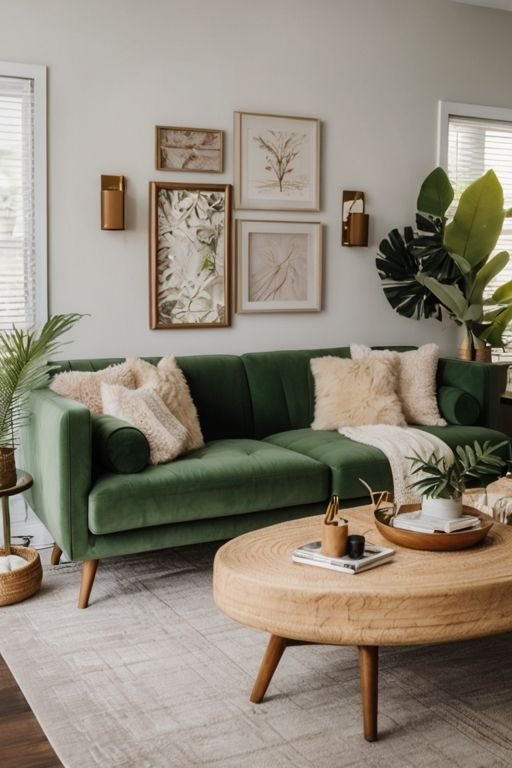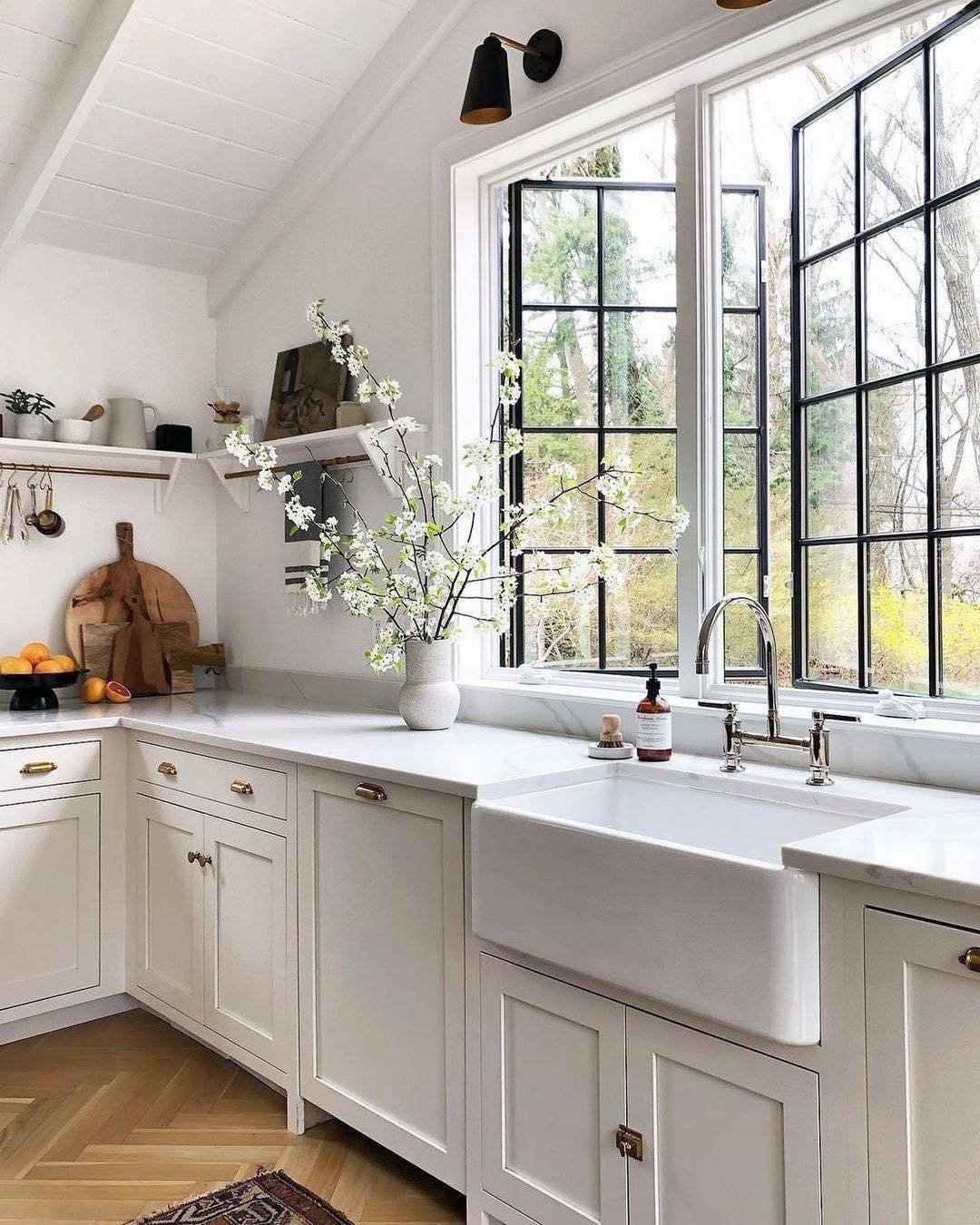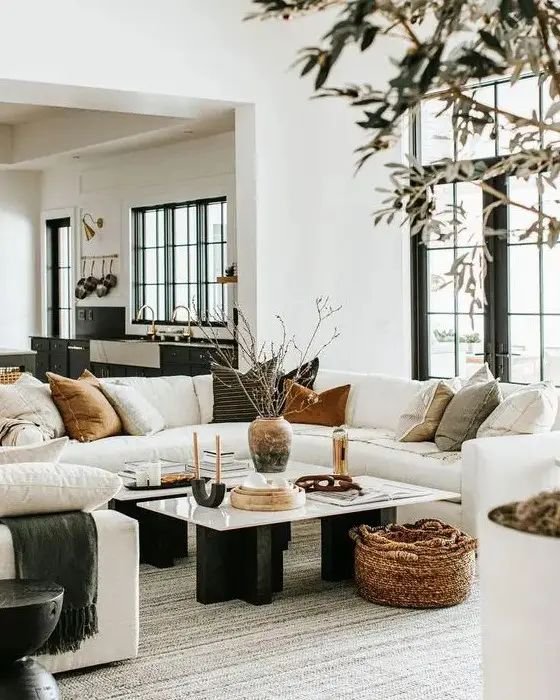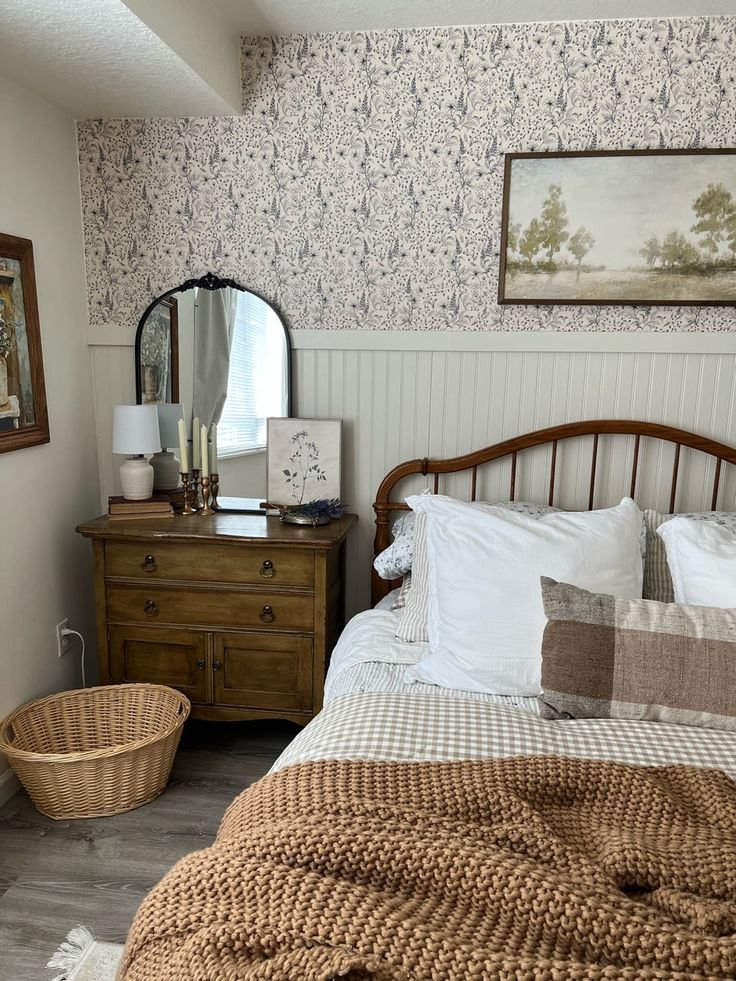
Have you ever wanted your home to feel warm, cozy, and simple? A space where soft colors, old furniture, and flowers make everything peaceful? That’s what the Cottagecore design style is all about. It’s a style that makes your home feel calm and full of charm.
Cottagecore is inspired by old cottages and a slower way of living. It’s about using things like wooden tables, handmade blankets, and lots of plants. This style helps you feel closer to nature and enjoy simple comforts.
In this blog, I’ll explain what makes Cottagecore so special. I’ll share how it started, what it includes, and how you can use it. It doesn’t matter where you live; anyone can enjoy Cottagecore design style. Let’s look at how you can bring this peaceful style into your home.
The Origins of Cottagecore Design Style
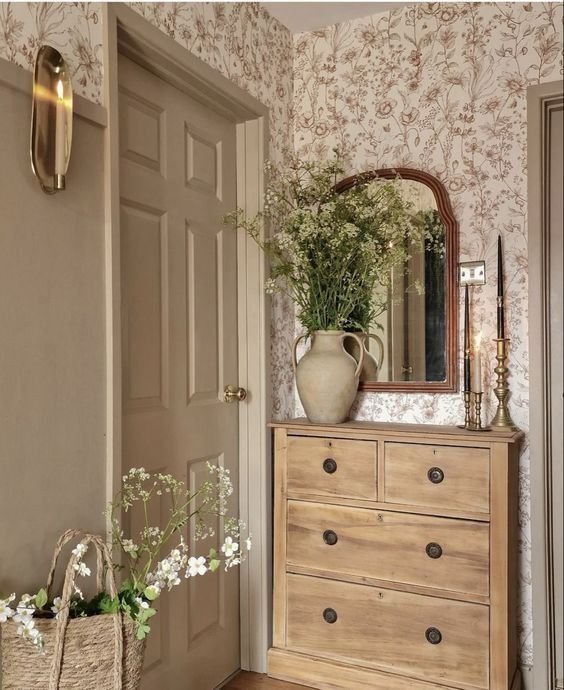
The Cottagecore design style takes inspiration from historic rural life, particularly in European and English countryside traditions. With roots in 19th-century aesthetics, this style conjures images of quaint cottages surrounded by lush greenery, buzzing bees, and floral meadows. Its essence is found in the charm of simpler times when life revolved around nature, craft, and connection.
Though it began as an aesthetic rooted in history, Cottagecore surged in popularity during the digital age. Social media platforms such as Instagram and TikTok fueled its rise, offering an escape from fast-paced urban lifestyles. For many, Cottagecore isn’t just about design but also a way of living—one that embraces sustainability, mindfulness, and nostalgia.
Additionally, this design style intersects with broader cultural movements, such as the slow-living philosophy. By embracing timeworn materials and avoiding excess, Cottagecore reflects a conscious rejection of consumerism and industrialism.
Key Elements of Cottagecore Design Style
Creating a Cottagecore-inspired home involves incorporating a blend of aesthetic elements. Each of these contributes to the warm, inviting ambiance that defines the Cottagecore design style.
1. Natural Materials and Organic Textures
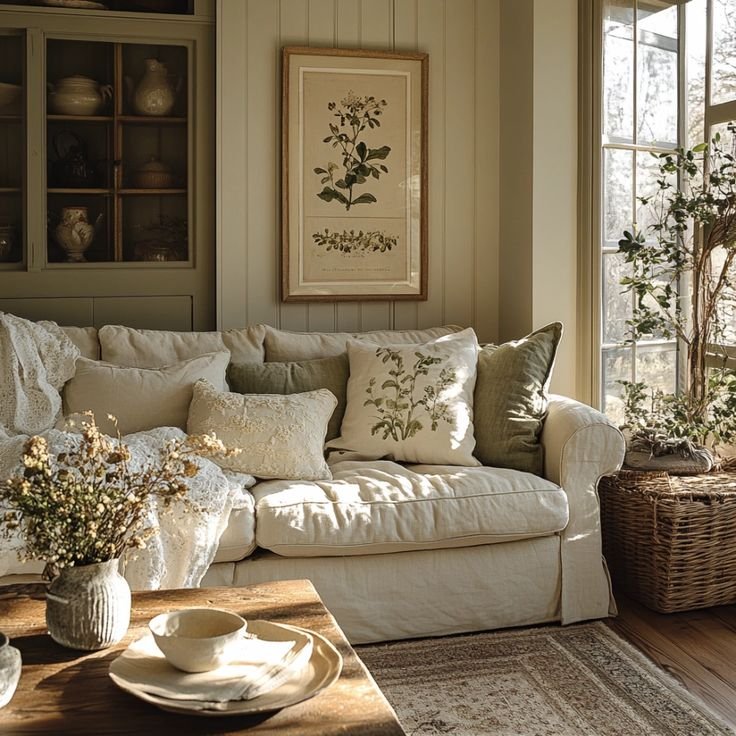
Wood, stone, and natural fibers are fundamental to this aesthetic. These materials ground spaces in earthy authenticity, bringing the outdoors inside. Imagine rustic wooden tables, stone fireplaces, and rattan chairs. Each piece tells a story of craftsmanship.
2. Soft, Muted Color Schemes
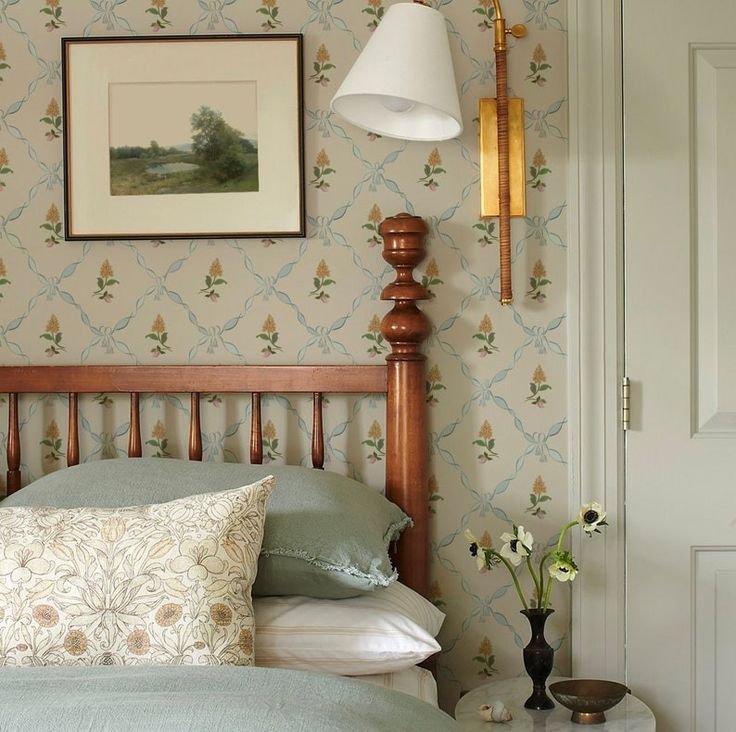
Cottagecore design style embraces soft and muted colors such as sage green, pastel pink, cream, and sky blue. These tones create a soothing palette that reflects the natural world. Avoiding stark or bright hues maintains the serene atmosphere.
3. Vintage and Antique Finds
Antique and vintage items are indispensable. Whether it’s a timeworn mirror, a lace doily, or a chipped ceramic jug, these objects add character and a sense of history. You don’t need to spend a fortune—thrift stores and flea markets are excellent places to find treasures.
4. Floral and Botanical Motifs
Nature-inspired patterns, especially floral and botanical ones, are synonymous with Cottagecore. These can appear in wallpapers, upholstery, or even subtle accents like a teacup or tablecloth. They bring life to the space while reinforcing the pastoral theme.
5. Handcrafted and Artisanal Decor
Handmade items such as knitted blankets, woven baskets, and pottery are central to the Cottagecore design style. These pieces celebrate the art of craftsmanship and make the space feel more personal and unique.
6. Functional Yet Beautiful Furniture
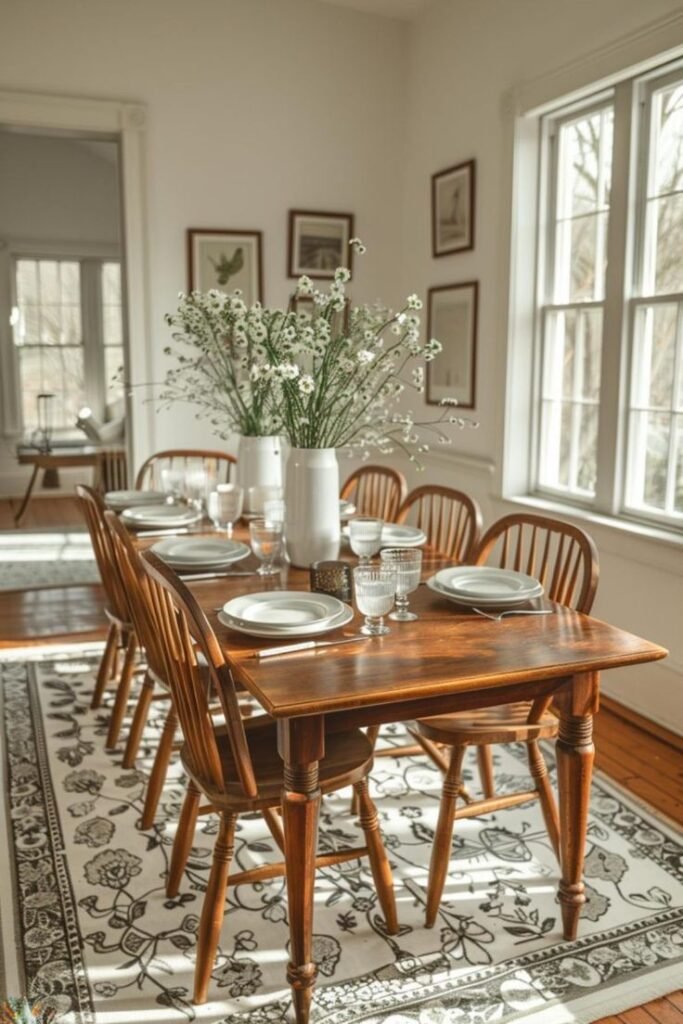
Cottagecore furniture prioritizes function without sacrificing charm. A rustic wooden table might double as a dining area and a workspace. A vintage dresser could also serve as a sideboard.
7. Emphasis on Indoor-Outdoor Harmony
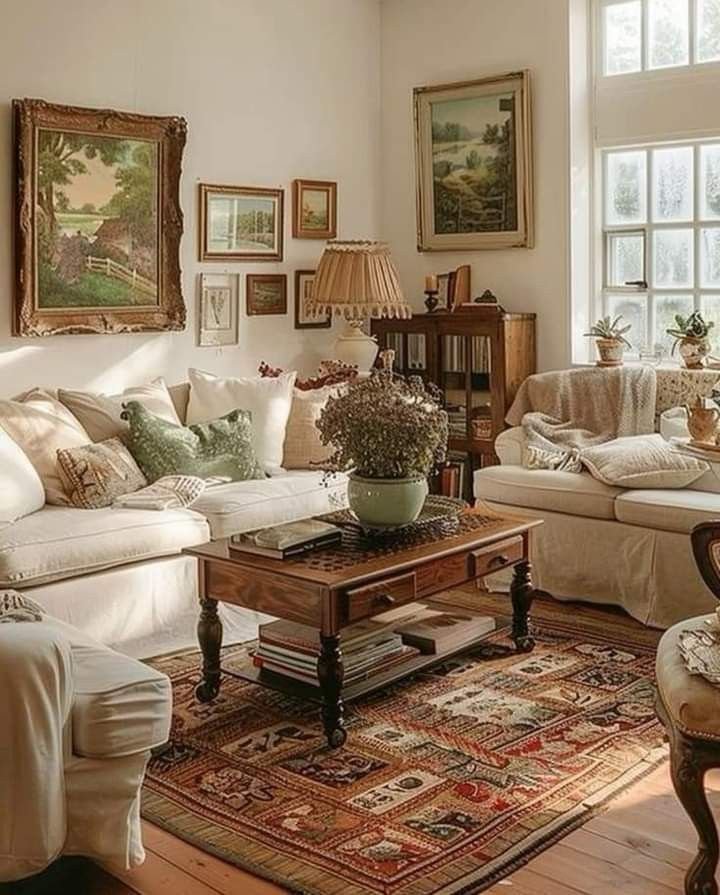
Bringing the outdoors inside is crucial. Plants, fresh flowers, and nature-inspired decor blur the boundaries between the interior and the exterior. Large windows that let in natural light further enhance this connection.
Bringing Cottagecore Design Style Into Your Home
Adopting the Cottagecore design style doesn’t need a complete makeover. Small, thoughtful changes can have a big impact. Start with the basics and build gradually, allowing your space to transform and grow over time.
Begin with Textiles
Textiles are one of the easiest ways to bring Cottagecore into your home. Replace synthetic fabrics with natural ones like linen, cotton, or wool. Opt for floral-patterned curtains, embroidered cushions, or cozy, hand-knit throws. Layering different textures, such as lace, crocheted tablecloths, and woven rugs, adds depth and charm. Soft, natural fabrics create a comfortable and inviting atmosphere that perfectly complements the Cottagecore aesthetic.
Add Vintage Furniture
Incorporating vintage or vintage-inspired furniture is essential for achieving the Cottagecore look. Hunt for secondhand wooden tables, rocking chairs, or iron bedframes. Pieces with a weathered or rustic finish bring that cozy, lived-in feel. Upcycling old furniture by repainting, distressing, or sanding them adds a personalized touch. Antique armoires, wicker chairs, or vintage benches can serve as functional yet decorative elements, helping create a space that feels timeless and unique.
Incorporate Greenery
Plants are crucial to the Cottagecore design style. Consider adding potted herbs like basil or thyme in the kitchen, trailing vines on bookshelves, or a simple bouquet of wildflowers placed in a mason jar. Greenery not only brings life into your space but also connects it to nature. Hanging plants like spider plants or ivy create a whimsical charm, while small potted plants on window sills or shelves help enhance the organic, peaceful atmosphere.
Layer in Handmade Details
Handmade decor items add warmth and reflect the artisanal spirit of Cottagecore. Embrace woven baskets, ceramic mugs, hand-knit blankets, or embroidered pillows. Items such as handmade pottery, macramé wall hangings, or cross-stitched wall art bring a personal touch. These pieces help make your home feel lived-in and unique, reflecting the slower, more thoughtful pace of Cottagecore living.
Create Cozy Corners
Designating small nooks dedicated to relaxation is a hallmark of the Cottagecore style. A vintage armchair by the window, layered with a knitted throw and surrounded by stacks of books, becomes a cozy retreat. Add a soft, cushioned footstool or a small side table for extra comfort. Lighting a candle or placing a soft lamp nearby creates an inviting space to unwind and escape from the busyness of everyday life.
Play with Lighting
Soft lighting is crucial to achieving the warm and cozy atmosphere characteristic of Cottagecore. Use candles, string lights, or lanterns to create a gentle, diffused glow. Avoid harsh overhead lighting, as it can disrupt the soft, intimate feel of your space. Fairy lights strung along a mantle or draped around furniture add a magical touch. A collection of vintage-style lamps—whether desk lamps, floor lamps, or bedside lamps—enhances the Cottagecore charm.
Add Vintage Art
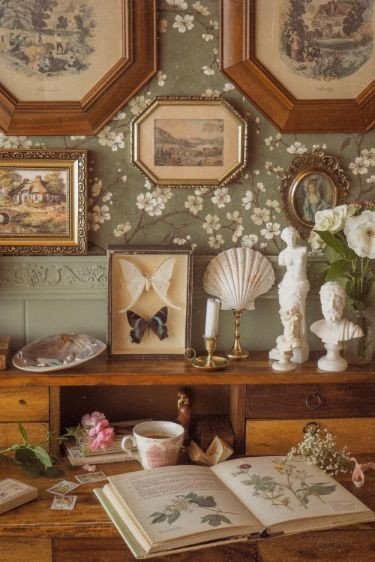
Vintage art plays a significant role in bringing the Cottagecore design style to life. Look for framed botanical prints, vintage postcards, or delicate watercolor landscapes. Antique paintings of quiet countryside scenes or charming farmhouses evoke the feeling of simpler times. You can also hang embroidery or cross-stitched artwork, which complements the handmade and nostalgic nature of Cottagecore. Adding these pieces creates a connection to history and adds personality to your home.
Embrace Nature-Inspired Decor
Nature-inspired elements help tie the Cottagecore design style together. Use natural materials such as wood, stone, or glass to bring the outdoors inside. Woven baskets, terracotta pots, or rustic wooden shelves enhance this organic aesthetic. Display seashells, rocks, or driftwood found from walks in nearby nature. These pieces evoke a sense of tranquility and a deep connection to the natural world.
Use Soft, Neutral Colors
Cottagecore thrives on soft, muted color palettes. Stick to whites, beiges, pastel pinks, sage greens, and soft blues. These colors create a calm and timeless feel. You can mix in floral prints, stripes, or gingham patterns for added texture. The subtle hues allow the beauty of natural materials and vintage accents to shine, creating a space that feels both peaceful and welcoming.
Add Functional Vintage Elements
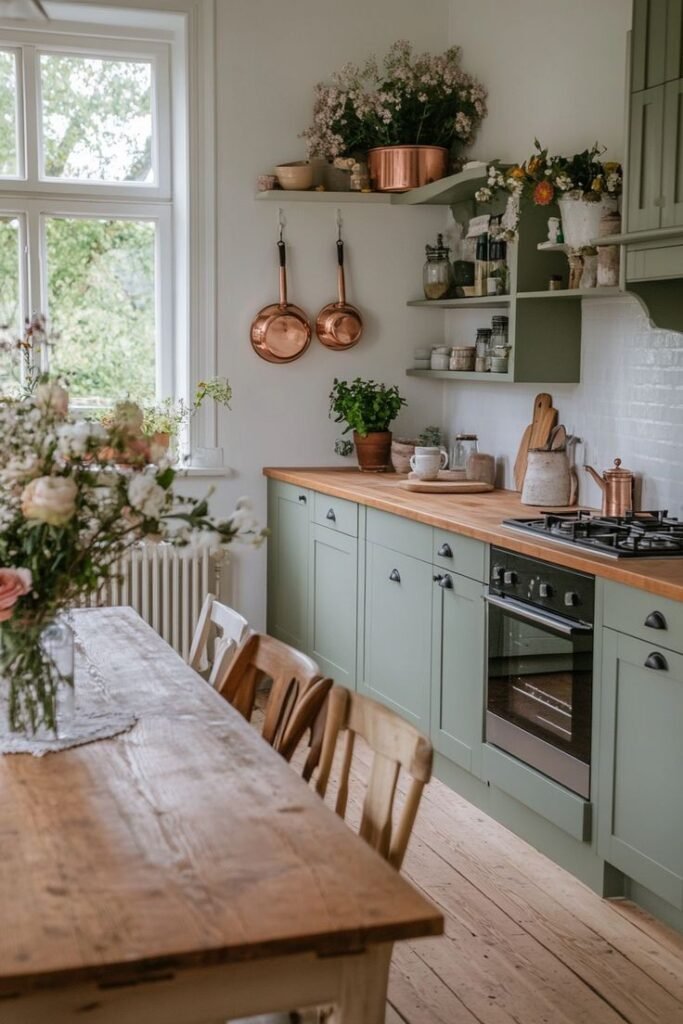
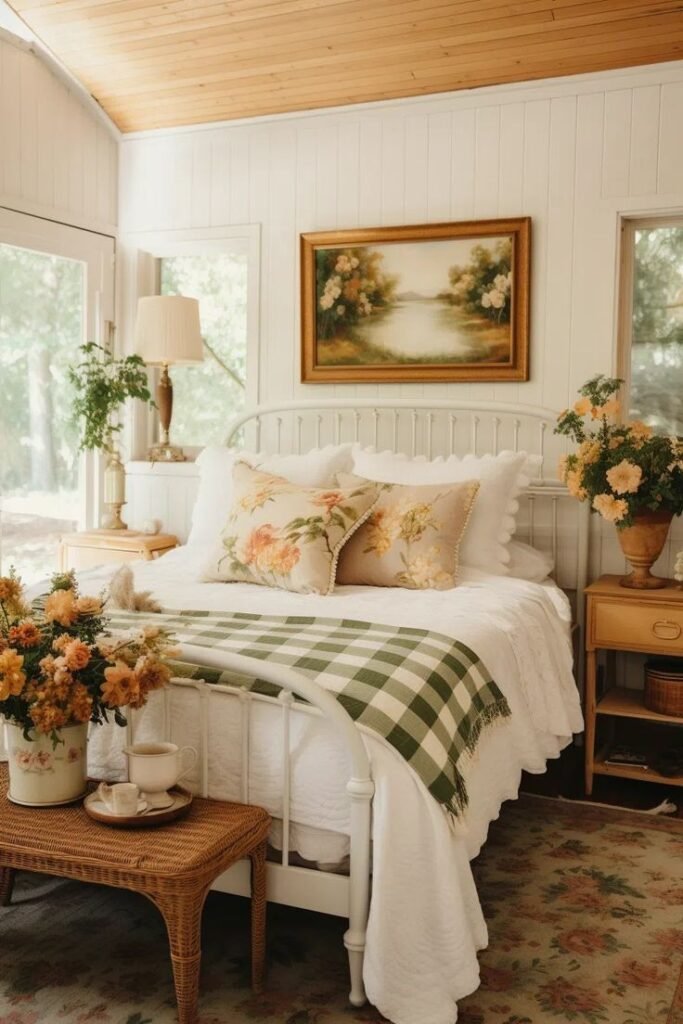
Incorporate functional vintage elements like mismatched china, enamelware, or antique glassware. A collection of old mason jars for storage or display can add a rustic charm. Vintage kitchenware like cast-iron cookware, butter dishes, or wooden cutting boards fit seamlessly into the Cottagecore aesthetic. These functional yet decorative items highlight the style’s love for practicality and craftsmanship.
Curate a Farmhouse-Style Kitchen
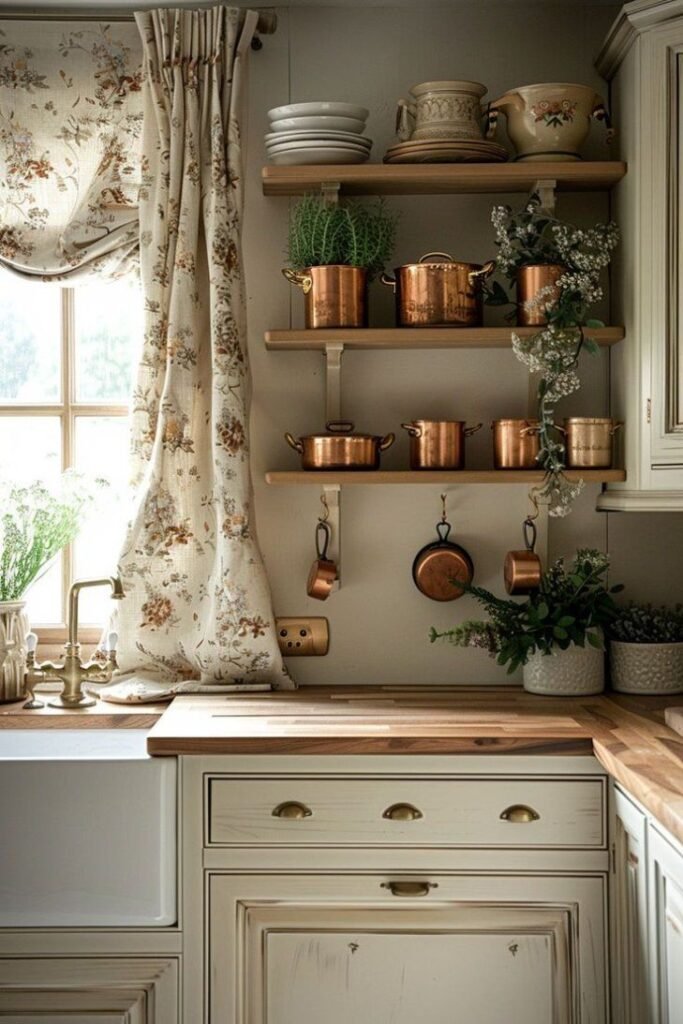
The kitchen is a perfect place to embrace Cottagecore. Use wooden shelves filled with rustic crockery, old-fashioned canisters, and a collection of ceramic plates. Add a vintage-style apron or a crocheted table runner for a homey touch. A farmhouse sink, antique bread box, or a wooden countertop can further enhance this cozy, countryside look.
Showcase Antiques and Collectibles
Antique and collectible items bring history and character to your home. Display items like old clocks, tea sets, or wooden signs that have been passed down or collected from thrift stores. A curated collection of vintage books on shelves adds charm and tells a story. These treasures help make your space feel personal and full of life.
Focus on Comfort and Functionality
Cottagecore design style emphasizes comfort and functionality. Choose furniture that serves multiple purposes, such as a daybed that doubles as a sofa or a bench that provides storage. Add soft, comfortable cushions, woolen throws, and layered rugs for warmth and texture. The goal is to create a space that feels inviting, practical, and easy to live in.
Why the Cottagecore Design Style Matters Today
The popularity of the Cottagecore design style isn’t just about aesthetics. It reflects a deeper need for tranquility in a world that often feels overwhelming. By creating spaces that are both functional and beautiful, Cottagecore provides a counterbalance to the stress of modern life.
Moreover, this design philosophy aligns with sustainable living. Repurposing vintage items, using natural materials, and supporting artisans all contribute to a more eco-friendly approach. In an era of environmental awareness, Cottagecore’s principles resonate strongly.
Emotionally, the Cottagecore design style appeals to a universal desire for connection—to nature, to the past, and to one another. It’s a way to celebrate life’s small joys, whether it’s sipping tea in a cozy corner or tending to a windowsill garden.
Addressing Misconceptions About Cottagecore Design Style
Despite its growing popularity, the Cottagecore design style is sometimes misunderstood. Here are some common misconceptions and the truth behind them:
It’s Only for Rural Homes
While the aesthetic draws from countryside life, it works just as beautifully in urban settings. Small apartments can embrace Cottagecore through clever use of decor and layout.
It’s Expensive to Achieve
On the contrary, Cottagecore design style encourages thriftiness and creativity. Many items can be thrifted, handmade, or repurposed. The focus is on meaningful, not costly, decor.
It’s Too “Old-Fashioned”
Although it’s inspired by traditional aesthetics, Cottagecore is highly versatile. You can blend it with modern elements for a more contemporary take on the style.
Balancing Cottagecore with Modern Living
Adopting Cottagecore doesn’t mean forsaking modern comforts. Here’s how to strike the perfect balance:
Seamless Tech Integration
Hide technology in vintage-inspired furniture or use decor that complements modern devices. Choose muted tones for electronics to harmonize with the space.
Functional Spaces
While Cottagecore celebrates charm, functionality should remain a priority. For instance, a kitchen can have a vintage vibe while still featuring modern appliances.
Intentional Decor
Avoid clutter by carefully curating your space. Select meaningful decor that complements your lifestyle, rather than filling every corner with objects.
The Evolving Future of Cottagecore Design Style
The enduring appeal of Cottagecore suggests it will continue to evolve. Future iterations might include a stronger focus on sustainability and eco-conscious design. Innovations in blending technology with rustic aesthetics could also shape its direction.
As people seek authenticity in their homes, the Cottagecore design style will likely remain a beloved choice. Its versatility allows for endless personalization, ensuring its relevance in diverse spaces.
Embracing Cottagecore Design Style
The Cottagecore design style is more than just a trend—it’s a philosophy of embracing simplicity, beauty, and nature. By incorporating its elements into your space, you create a home that soothes the soul and sparks joy.
Whether you take small steps, such as adding floral cushions, or fully transform a room with vintage furniture and botanical prints, the Cottagecore design style offers endless inspiration. Step into this world of timeless charm and make it your own. Let your home reflect the peace and warmth of Cottagecore, and enjoy a daily escape to simpler, more serene living.